our new website is still under construction, pardon any dust.

our new 4d ai is being implemented, she will blow your socks off.

[cloneui_pill id="ziggi-pill" bot="chatbot-egeoub" lang="en-US" label="Talk to Ziggi"]
Full Article, Podcast, & Blog
Influencer voice drop

Turn this article into a mini show with my narrated voice

Hit play to hear me walk through the ideas behind this piece in a smooth studio style read while you explore the rest of the page.

Quick listen recap Built for multitasking
TN
Voice first edition
Behind the page take on this article
Play Around a few minutes
Press play and keep exploring the page while I talk you through it.
Audio plays right here in the page so you stay in the flow.
Professional portrait

The New Digital Divide: Why Small Businesses Are in Danger of Being Left Behind

The AI revolution isn’t coming — it’s already here. And just like the wild-west days of the early internet, it’s rapidly separating tomorrow’s winners from tomorrow’s strugglers. The original article published by Westport Journal shines a bright light on a growing concern: small and midsized businesses are slipping into a brand‑new digital divide. And this time, it’s not about simply “getting online.”

Today’s divide revolves around access to — and understanding of — AI. It determines whether a business can adapt fast enough to compete with lean, automation-first companies that move at double speed. At TNT Nerds, we see this daily while helping modernize tech stacks and integrate AI into real operations small businesses rely on.

Small vs. Large: The Productivity Gap Widens

The Westport Journal source highlights a major split: larger companies are adopting AI more effectively, while smaller firms often fall behind due to lack of time, training, or clear direction.

• Only 52% of businesses using AI train their employees.

88% of small businesses use AI, but millions still do not.

• AI adoption strongly correlates with revenue — the higher the revenue, the more likely AI is used effectively.

This aligns with what we see in practice: small businesses often try a DIY approach. But without onboarding, strategy, or system integration, the tools fall short. TNT Nerds helps close that gap with training, workflow automation, and AI integration designed specifically around small-business limitations and goals.

Digital Native vs. Brick-and-Mortar: Agility Wins

Startups like Midjourney show what small, agile teams can do: generating over $200M in revenue with fewer than a dozen employees. That’s the power of building on modern tools from day one.

Meanwhile, many brick-and-mortar businesses are still catching up on pre‑AI basics. Think of restaurants still avoiding delivery apps — losing up to half their potential revenue to competitors operating with a delivery-first model.

AI-ready companies don’t just optimize — they reinvent business models.

Real example: “Wonder,” a virtual food hall concept, uses efficient tech-driven operations to outperform traditional kitchens. Reinvention at scale — and it is happening everywhere.

Local businesses typically hold strong community trust, but nimble newcomers with flexible models can outpace them fast. TNT Nerds helps traditional companies modernize without sacrificing their roots — integrating AI, refining workflows, and rebuilding digital presence with purpose.

Local vs. National: Exposure Determines Evolution

Local business owners often live inside a bubble — surrounded by only the tools and trends common in their region. National and international companies, however, benefit from wider networks, stronger tools, and lessons learned across multiple markets.

The hospitality industry shows this clearly: smaller hotels can now use AI-powered optimization tools to compete with major chains. But many don’t know these tools exist — or think they’re too complex to implement.

The truth: Modern AI tools are more affordable, accessible, and customizable than ever. Awareness — not cost — is the real barrier.

This is why TNT Nerds emphasizes education, consulting, and guided execution. Once businesses see what’s possible, AI shifts from intimidating to empowering.

The Road Ahead: Closing the Divide

The Westport Journal piece argues the next decade will be defined by how effectively businesses adopt AI. And the evidence is clear: the gap is expanding across size, digital maturity, and geography.

But today, unlike the early internet era, small businesses can see results almost immediately. AI tools can improve efficiency, customer engagement, and revenue within days — not years — when implemented correctly.

If your business is ready to cross the divide, modernize your systems, or explore AI-powered improvements, TNT Nerds is ready to help turn possibility into progress.

Source: Original article published by Westport Journal
(https://westportjournal.com/opinion/the-new-digital-divide-why-small-businesses-are-in-danger-of-being-left-behind/)

The New Digital Divide Threatening Small Businesses Everywhere

Small and midsized businesses are facing a silent but accelerating crisis: a widening gap between companies that embrace AI and those still struggling to keep up. Inspired by insights from the Westport Journal, this article explores how digital‑native startups, national brands, and tech‑forward teams are rapidly outpacing traditional local businesses — not because they work harder, but because they work smarter. From AI‑powered workflows to automated customer engagement, the divide is no longer about who has a website — it’s about who’s leveraging modern tools to stay competitive. For businesses ready to modernize and avoid being left behind, TNT Nerds breaks down what’s really happening and how to get ahead.
A speaker sitting on stage in front of a large OpenAI logo, gesturing with one hand during a presentation.

OpenAI Wants The Whole AI Stack. What Does That Leave For The Rest Of Us?

OpenAI is racing to own the entire AI stack, from custom chips and data centers all the way up to the apps that live in your browser, your job hunt, and eventually your pocket. To investors, that sounds like a textbook moat. To everyone else, it sounds like the internet we use every day could soon be running on a few private rails.This piece breaks down what OpenAI is really building, why it suddenly needs a mountain of cash to do it, and where that leaves the rest of us who are not sitting on a fusion startup, a chip team, and a SoftBank term sheet. If Big AI is going full stack, how do small businesses, indie developers, and regular humans keep a real say in the future of their own tech?
Read More
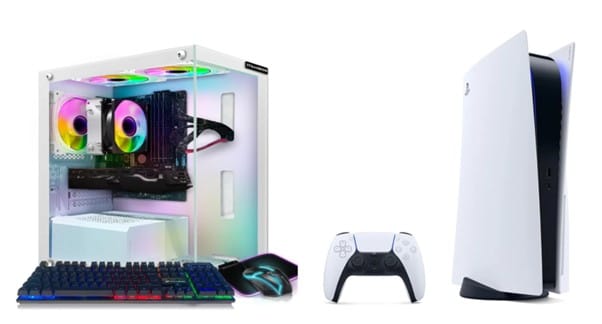
A white RGB gaming PC setup with keyboard and mouse next to a white gaming console and controller.

Stop Wasting Money on Gaming Specs That Do Not Matter: A 2025 Hardware Upgrade Field Guide

Ultra fast SSDs, ray traced shadows, AI upscaling, cloud gaming, quantum buzzwords everywhere. If you believe the marketing, you need all of it right now or you are not a real gamer.That is nonsense.In this TNT Nerds 4D breakdown, we strip the hype off modern gaming hardware and show you what actually changes your experience in 2025, what is safe to skip, and how to build or buy a rig that feels fast, looks great, and does not torch your wallet. Whether you are on console, PC, or a gaming laptop, we will walk through the upgrades that give you real world wins today while still keeping an eye on the free, open, user first future we actually want to live in.
Read More
A gloved hand interacts with digital security icons, including a padlock, cloud storage, user profiles, financial symbols, and a laptop, representing data protection and cybersecurity.

Healthcare Cybersecurity Is Failing At The Basics: How To Lock Down Today And Get Ready For The Quantum Tomorrow

Healthcare just had its worst year on record for breached patient data.Not because of ultra sophisticated nation state zero days, but because of the same old weak links: missing multi factor authentication, unpatched Windows boxes, and vendors nobody bothered to vet.At the same time, regulators are tightening the screws and quantum computing is quietly stalking our current encryption. That mix makes a lot of teams freeze. Do you fix today’s fires or prepare for Q day?You do both, but not the way the hype cycle tells you.In this TNT Nerds deep dive, we break down a practical, no nonsense roadmap for clinics, hospitals, and medical device makers: how to get the boring fundamentals right, make sense of the new regulations, and start building a quantum resilient security posture without blowing up your budget or your IT team.
Read More
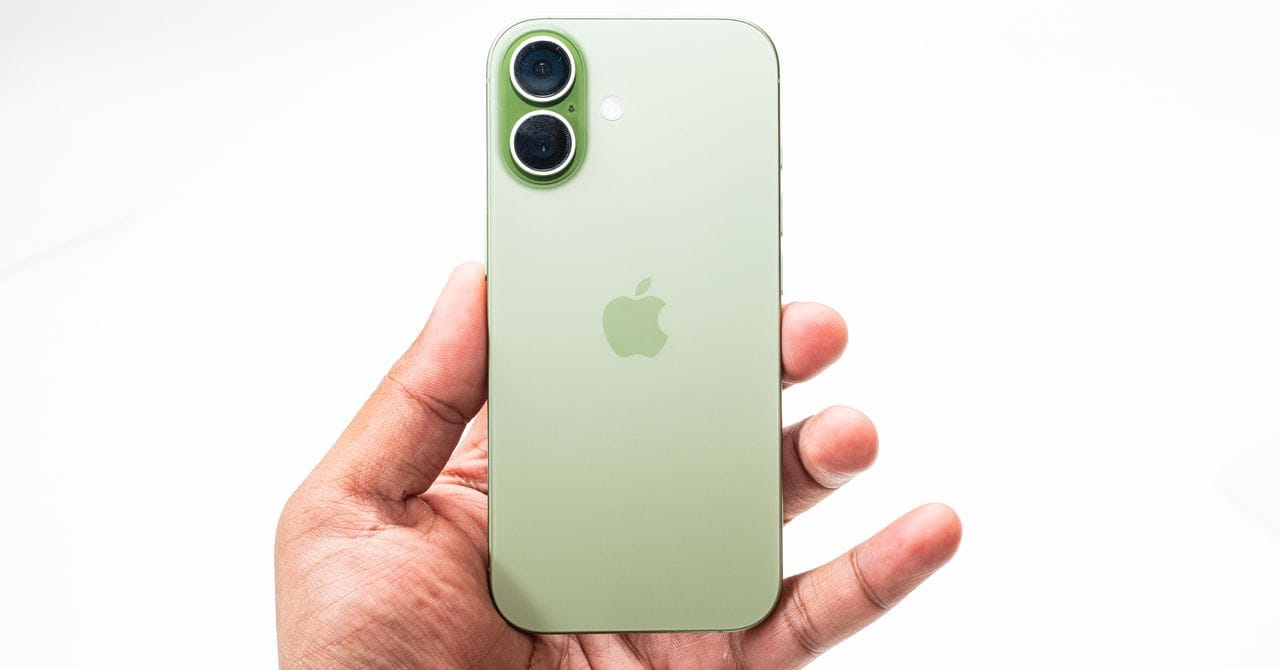
Green smartphone with dual rear cameras held in a person’s hand

Best iPhone To Buy In 2025: Real Talk Guide To Apple Intelligence, MagSafe, And Your Wallet

Apple just dropped another alphabet of iPhones, and the internet is already drowning in spec sheets and sponsored “must buy” lists. Meanwhile, you just want to know one thing: which iPhone should you actually buy in 2025, and which ones are a waste of money?As your resident TNT Nerds tech brain, I am going to break this down the way you would if you had a weekend, a lab full of phones, and zero patience for marketing. We will walk through real life scenarios, not press release fantasy: the creator who lives in the camera app, the small business owner issuing phones to staff, the parent trying not to get locked into a painful carrier contract, the power user who cares more about battery cycles than titanium curves.We will talk Apple Intelligence without the hype, MagSafe and Qi2 without the buzzwords, and carrier deals without the fine print. By the end, you will know exactly which iPhone fits your use case, when it is smarter to buy last year’s Pro, and when the best move is to keep your current phone and just swap a battery.
Read More
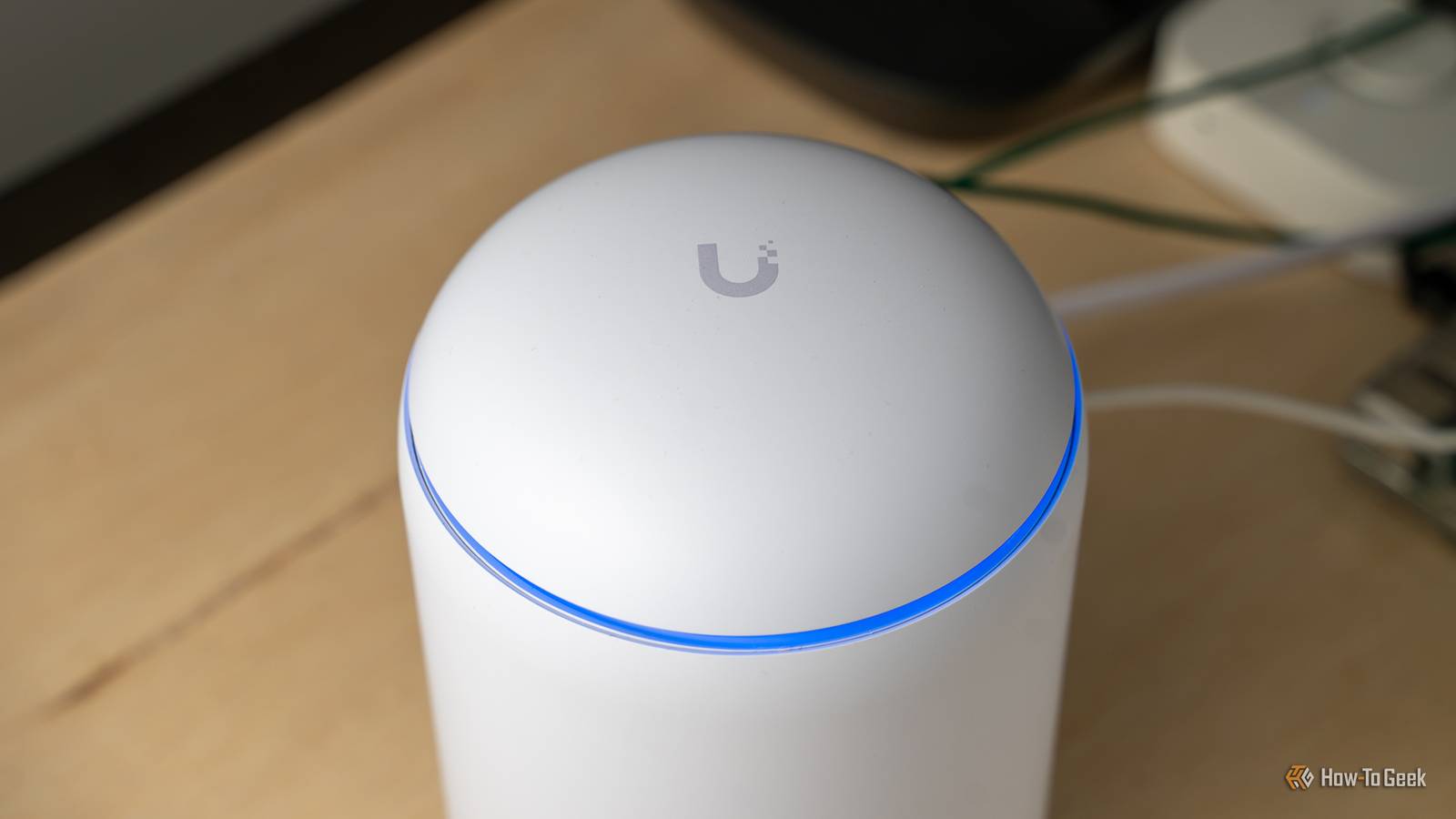
A white cylindrical networking device with a glowing blue LED ring on top, placed on a wooden surface.

From Random Routers To A Real Network Brain: Why Unifi Feels So Good Once You Switch

Most of us live behind whatever plastic router our ISP tossed in the box years ago. It blinks, it mostly works, and when it does not, we simply reboot and pray. Then you try something like Unifi and suddenly your network stops feeling like a mystery and starts behaving like a system. This is the story of what changes when you move from random gear to a unified network brain, why it is so hard to go back, and how you can get there without breaking your budget or your sanity.
Read More