our new website is still under construction, pardon any dust.

our new 4d ai is being implemented, she will blow your socks off.

[cloneui_pill id="ziggi-pill" bot="chatbot-egeoub" lang="en-US" label="Talk to Ziggi"]
Full Article, Podcast, & Blog
Creator voice feature

Stream the creator cut of this article

I recorded a crisp studio style read of this page so you can listen while you scroll save and jump between tabs.

Instant listen format Made for background play
TN
Voice first edition
Behind the page audio take
Play Approx few min
Tap play and explore this piece while I narrate in the background.
You can scrub skip or pause any time right in this player while the rest of the page stays in view.

The 2025 Local SEO Shake‑Up: Why Businesses Are Fleeing Moz Local for Smarter Tools

Moz Local Alternatives 2025

Grab your coffee — today we’re diving into one of the biggest migrations happening quietly across the digital marketing world. Moz Local, once the go‑to name for citation management, is watching a wave of small businesses and agencies jump ship for tools that move faster, automate deeper, and cost less. And honestly? We can’t blame them.

If you’ve ever fought with slow listing sync, limited reporting, or rising per‑location pricing, you already know why the shift is happening. But the real story isn’t just about leaving Moz Local — it’s about the rise of AI‑powered platforms ready to take its place.

The Big Three Alternatives Everyone’s Talking About

According to an in‑depth breakdown from SearchAtlas (source here), the top three Moz Local replacements in 2025 are:

  • Search Atlas – AI automation, full SEO suite, no per‑location inflation.
  • SpyFu – exceptional competitor keyword and PPC intelligence.
  • BrightLocal – hyper‑local rank tracking and citation audits.

The interesting part? These tools aren’t just providing alternatives — they’re redefining what local SEO even means. Instead of simply pushing NAP data across directories, they now offer AI review responses, auto‑posting to Google Business Profile, heatmaps, deep audits, and competitor visibility intelligence.

The Local SEO Landscape Has Changed — A Lot

Back in the day, getting your business consistently listed across 50 directories was the entire game. In 2025, that’s only the entry ticket.

Modern local SEO demands far more:

  • AI‑generated review responses
  • Local rank heatmaps with ZIP‑code precision
  • LLM visibility tracking (how you appear in ChatGPT, Perplexity, etc.)
  • GBP post automation and Q&A generation
  • Real‑time competitor tracking
  • Store locator pages and multi‑location governance

Moz Local still focuses mainly on listings and basic monitoring — which now feels outdated compared to platforms embracing automation and deep intelligence.

A Few Notable Standouts From the Full List of 35

The original report breaks down 35 different Moz Local alternatives. A few that stood out:

  • Yext — enterprise‑grade structured data & API sync.
  • Birdeye — AI agents for streamlining review acquisition.
  • Whitespark — unmatched manual citation precision.
  • GMBapi.com — bulk GBP edits + AI responses for franchises.
  • Localboss — simple and effective mobile review health dashboard.

Each tool fills its own niche — from enterprise governance to lightweight visibility monitoring.

Why Small Businesses Are Jumping Ship Faster Than Ever

Across reviews, the pain points are consistent:

  • Per‑location pricing growing out of control
  • Slow directory sync times
  • Minimal or missing AI features
  • Basic reporting with little strategic insight
  • No keyword research or tech SEO unless bundled with Moz Pro

Businesses today want more than NAP syncing — they want visibility, intelligence, and automation.

Where TNT Nerds Fits Into All of This

If you’re a small business owner feeling overwhelmed by the tool jungle, here’s the truth: You shouldn’t have to learn 35 platforms to stay visible.

This is exactly where TNT Nerds shines. Our team specializes in:

  • Local SEO setup and ongoing management
  • Google Business Profile optimization
  • AI‑powered post automation, replies, and insights
  • Website development + technical SEO
  • Custom dashboards merging rankings, reviews, and traffic

Instead of juggling multiple subscriptions, we unify your entire visibility strategy into one clean, optimized system.

We study reports like the one from SearchAtlas so you don’t have to — and we implement the right tools without the guesswork.

Bottom Line: Local SEO in 2025 Is Smarter, Faster, and More Automated

Whether you’re ditching Moz Local or simply exploring new options, the landscape has shifted dramatically. AI insights, deep competitor tracking, multi‑location controls, and automated content make today’s tools far more powerful than what existed even a year ago.

If you want guidance in choosing or managing the right platform — or if you’re ready for a frictionless, modern approach that lets you focus on running your business — TNT Nerds is here to help you make that leap confidently.

And a big shoutout to SearchAtlas for the thorough breakdown that inspired this deep dive.

The Great Moz Local Migration of 2025: Why Businesses Are Upgrading to Smarter, AI‑Driven SEO Tools

Small businesses and agencies are quietly abandoning Moz Local in record numbers — and the reason is clear. Local SEO in 2025 demands more than directory syncing. Companies want real‑time automation, AI‑generated insights, smarter GBP management, and tools that don’t punish them with per‑location pricing. Thanks to an in‑depth breakdown from SearchAtlas, we now see exactly which next‑gen platforms are taking over… and why this shift is reshaping the entire local visibility landscape.
A speaker sitting on stage in front of a large OpenAI logo, gesturing with one hand during a presentation.

OpenAI Wants The Whole AI Stack. What Does That Leave For The Rest Of Us?

OpenAI is racing to own the entire AI stack, from custom chips and data centers all the way up to the apps that live in your browser, your job hunt, and eventually your pocket. To investors, that sounds like a textbook moat. To everyone else, it sounds like the internet we use every day could soon be running on a few private rails.This piece breaks down what OpenAI is really building, why it suddenly needs a mountain of cash to do it, and where that leaves the rest of us who are not sitting on a fusion startup, a chip team, and a SoftBank term sheet. If Big AI is going full stack, how do small businesses, indie developers, and regular humans keep a real say in the future of their own tech?
Read More
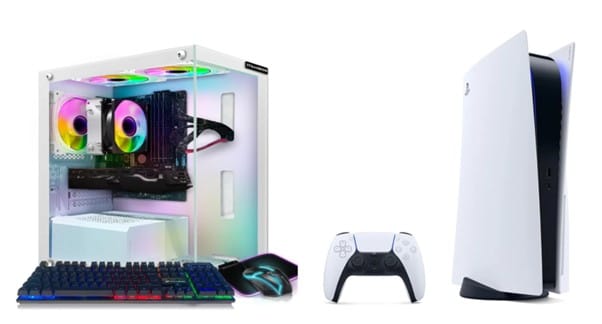
A white RGB gaming PC setup with keyboard and mouse next to a white gaming console and controller.

Stop Wasting Money on Gaming Specs That Do Not Matter: A 2025 Hardware Upgrade Field Guide

Ultra fast SSDs, ray traced shadows, AI upscaling, cloud gaming, quantum buzzwords everywhere. If you believe the marketing, you need all of it right now or you are not a real gamer.That is nonsense.In this TNT Nerds 4D breakdown, we strip the hype off modern gaming hardware and show you what actually changes your experience in 2025, what is safe to skip, and how to build or buy a rig that feels fast, looks great, and does not torch your wallet. Whether you are on console, PC, or a gaming laptop, we will walk through the upgrades that give you real world wins today while still keeping an eye on the free, open, user first future we actually want to live in.
Read More
A gloved hand interacts with digital security icons, including a padlock, cloud storage, user profiles, financial symbols, and a laptop, representing data protection and cybersecurity.

Healthcare Cybersecurity Is Failing At The Basics: How To Lock Down Today And Get Ready For The Quantum Tomorrow

Healthcare just had its worst year on record for breached patient data.Not because of ultra sophisticated nation state zero days, but because of the same old weak links: missing multi factor authentication, unpatched Windows boxes, and vendors nobody bothered to vet.At the same time, regulators are tightening the screws and quantum computing is quietly stalking our current encryption. That mix makes a lot of teams freeze. Do you fix today’s fires or prepare for Q day?You do both, but not the way the hype cycle tells you.In this TNT Nerds deep dive, we break down a practical, no nonsense roadmap for clinics, hospitals, and medical device makers: how to get the boring fundamentals right, make sense of the new regulations, and start building a quantum resilient security posture without blowing up your budget or your IT team.
Read More
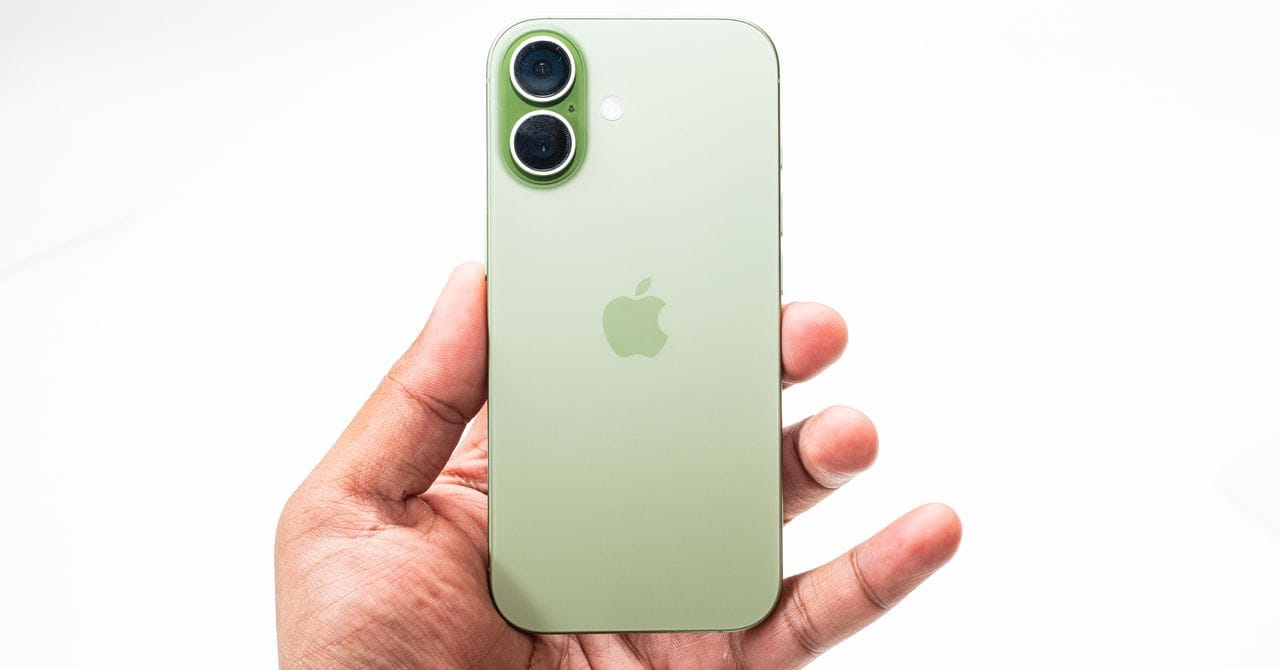
Green smartphone with dual rear cameras held in a person’s hand

Best iPhone To Buy In 2025: Real Talk Guide To Apple Intelligence, MagSafe, And Your Wallet

Apple just dropped another alphabet of iPhones, and the internet is already drowning in spec sheets and sponsored “must buy” lists. Meanwhile, you just want to know one thing: which iPhone should you actually buy in 2025, and which ones are a waste of money?As your resident TNT Nerds tech brain, I am going to break this down the way you would if you had a weekend, a lab full of phones, and zero patience for marketing. We will walk through real life scenarios, not press release fantasy: the creator who lives in the camera app, the small business owner issuing phones to staff, the parent trying not to get locked into a painful carrier contract, the power user who cares more about battery cycles than titanium curves.We will talk Apple Intelligence without the hype, MagSafe and Qi2 without the buzzwords, and carrier deals without the fine print. By the end, you will know exactly which iPhone fits your use case, when it is smarter to buy last year’s Pro, and when the best move is to keep your current phone and just swap a battery.
Read More
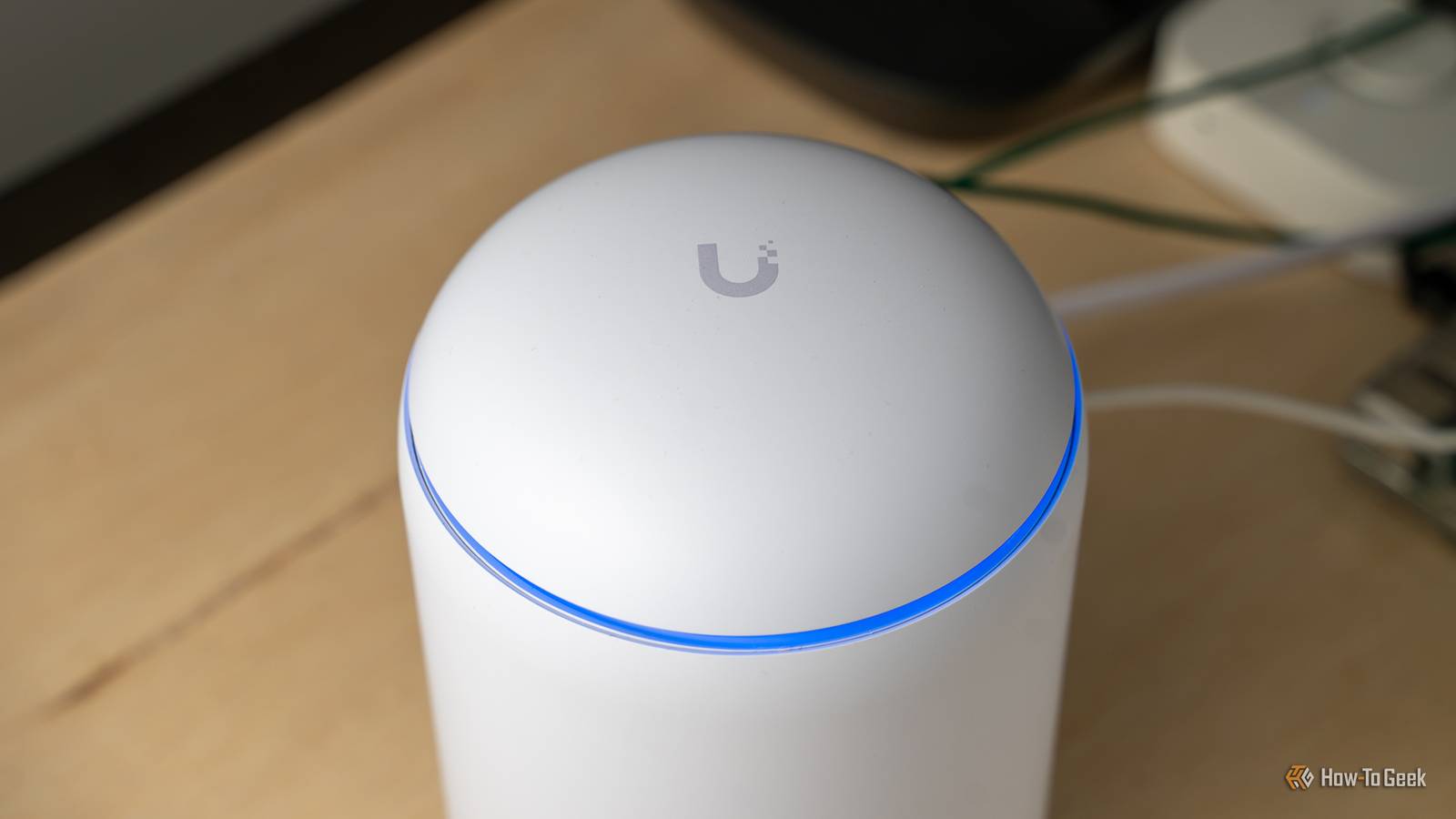
A white cylindrical networking device with a glowing blue LED ring on top, placed on a wooden surface.

From Random Routers To A Real Network Brain: Why Unifi Feels So Good Once You Switch

Most of us live behind whatever plastic router our ISP tossed in the box years ago. It blinks, it mostly works, and when it does not, we simply reboot and pray. Then you try something like Unifi and suddenly your network stops feeling like a mystery and starts behaving like a system. This is the story of what changes when you move from random gear to a unified network brain, why it is so hard to go back, and how you can get there without breaking your budget or your sanity.
Read More