our new website is still under construction, pardon any dust.

our new 4d ai is being implemented, she will blow your socks off.

[cloneui_pill id="ziggi-pill" bot="chatbot-egeoub" lang="en-US" label="Talk to Ziggi"]
Full Article, Podcast, & Blog

OT Cybersecurity Incidents Are Surging in 2025 — And the Alarms Are Impossible to Ignore
SANS OT Security 2025 Cover

The SANS Institute has released its 2025 ICS/OT Cybersecurity Report, and if your work touches operational technology in any capacity, this is your wake-up call. The findings show that cyber incidents in industrial environments are not only increasing, but becoming more disruptive, more expensive and dramatically harder to recover from.

Check out the original deep dive by Industrial Cyber — an insightful read worth pairing with your morning coffee: Read the full Industrial Cyber report.

Cyber Incidents Are Hitting Nearly 1 in 4 Organizations

In 2025, 22% of organizations reported an OT cybersecurity incident. Nearly half detected issues within 24 hours — encouraging, sure — but recovery times paint a much rougher picture.

• 40% caused operational disruption
• 22% took 2–7 days to recover
• 19% took over a month
• 3% took more than a year

In industries where downtime equals disaster, these numbers are more than statistics — they’re business-critical warnings.

Remote Access: Still the Achilles’ Heel

SANS found that unauthorized remote access was responsible for half of all incidents. Yet only 13% of organizations had fully implemented essential protections such as ICS-aware access controls or secure session recording.

Many teams still lack visibility over their remote access points — a dangerous blind spot in an era where attackers exploit any crack they can find.

Think of it as running an industrial operation without knowing which doors are unlocked.

Detection Improves — But Recovery Is Still the Bottleneck

The good news? Organizations are improving detection and containment. Nearly 50% identify attacks within 24 hours, and 60% contain them within 48 hours.

The bad news? Getting back to safe, stable operations is where most teams struggle.

Containment is progress — but resilience requires fast, reliable recovery. Segmenting networks, strengthening backup processes and applying cyber-informed engineering practices are now essential.

Regulation and Threat Intelligence Are Steering 2026

Nearly 60% of organizations now fall under mandatory cybersecurity requirements, and 67% are actively using threat intelligence to inform decisions. Investments for 2026–2027 are shifting clearly toward:

• Asset visibility • Secure remote access • Advanced threat detection

Preparedness: The High-Maturity Secret Weapon

One standout insight: organizations involving operators, engineers and technicians in response training were 1.7x more likely to feel prepared for OT cyber events.

These are the people who understand exactly how attacks impact process integrity, safety and uptime at the control-loop level.

What This Means for SMB Industrial Operations

The biggest challenges? Resource limitations, legacy equipment, and slow recovery times. But SANS highlights practical steps every organization can take today.

• Improve asset visibility
• Harden and monitor remote access
• Treat detection and recovery as equal priorities
• Leverage threat intelligence
• Involve operators in cybersecurity planning

Where TNT Nerds Fits Into This Evolving Landscape

For many small and mid-sized industrial businesses, modernization can feel overwhelming — especially with tight internal resources or older systems. That’s where TNT Nerds steps in.

We’ve supported manufacturers, logistics operations, utilities and industrial teams with solutions such as:

• Secure remote access modernization
• Segmentation and ICS network hardening
• OT/IT bridge architecture and strategy
• Asset visibility and monitoring implementation
• Backup, failover and recovery engineering
• SOC workflow integration
• Cyber‑informed engineering guidance

Whether your goal is safe modernization, better resilience or ensuring compliance, TNT Nerds provides the engineering know‑how and hands-on expertise needed to reduce risk without halting operations.

Curious how your OT security maturity compares?
Let’s talk. TNT Nerds speaks industrial, speaks engineering and knows how to close the gap between cybersecurity and real-world operations.

Source: Industrial Cyber — reported by Anna Ribeiro.

OT Cyberattacks Are Exploding in 2025, and Industrial Businesses Are Racing to Catch Up

The latest SANS 2025 ICS/OT Security Report confirms what many in industrial sectors have been feeling all year: OT cyber incidents are rising fast, hitting nearly one in four organizations, and taking far too long to recover from. With remote access now responsible for half of all breaches and many companies still struggling with aging systems and limited resources, attackers are finding easy entry points into environments where uptime, safety, and reliability are everything. Our full breakdown explores what this means for manufacturing, logistics, utilities, and other OT-driven industries—and how smarter visibility, hardened access, and faster recovery planning can make all the difference. Source coverage by Industrial Cyber highlights just how urgent these challenges have become.
A speaker sitting on stage in front of a large OpenAI logo, gesturing with one hand during a presentation.

OpenAI Wants The Whole AI Stack. What Does That Leave For The Rest Of Us?

OpenAI is racing to own the entire AI stack, from custom chips and data centers all the way up to the apps that live in your browser, your job hunt, and eventually your pocket. To investors, that sounds like a textbook moat. To everyone else, it sounds like the internet we use every day could soon be running on a few private rails.This piece breaks down what OpenAI is really building, why it suddenly needs a mountain of cash to do it, and where that leaves the rest of us who are not sitting on a fusion startup, a chip team, and a SoftBank term sheet. If Big AI is going full stack, how do small businesses, indie developers, and regular humans keep a real say in the future of their own tech?
Read More
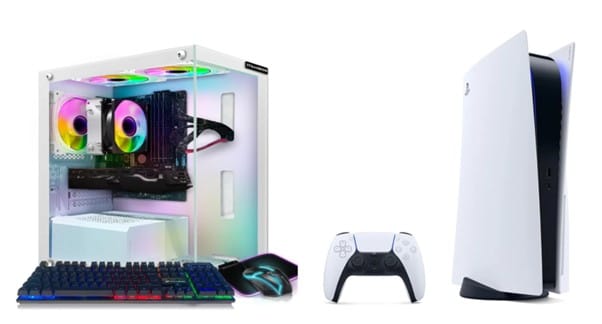
A white RGB gaming PC setup with keyboard and mouse next to a white gaming console and controller.

Stop Wasting Money on Gaming Specs That Do Not Matter: A 2025 Hardware Upgrade Field Guide

Ultra fast SSDs, ray traced shadows, AI upscaling, cloud gaming, quantum buzzwords everywhere. If you believe the marketing, you need all of it right now or you are not a real gamer.That is nonsense.In this TNT Nerds 4D breakdown, we strip the hype off modern gaming hardware and show you what actually changes your experience in 2025, what is safe to skip, and how to build or buy a rig that feels fast, looks great, and does not torch your wallet. Whether you are on console, PC, or a gaming laptop, we will walk through the upgrades that give you real world wins today while still keeping an eye on the free, open, user first future we actually want to live in.
Read More
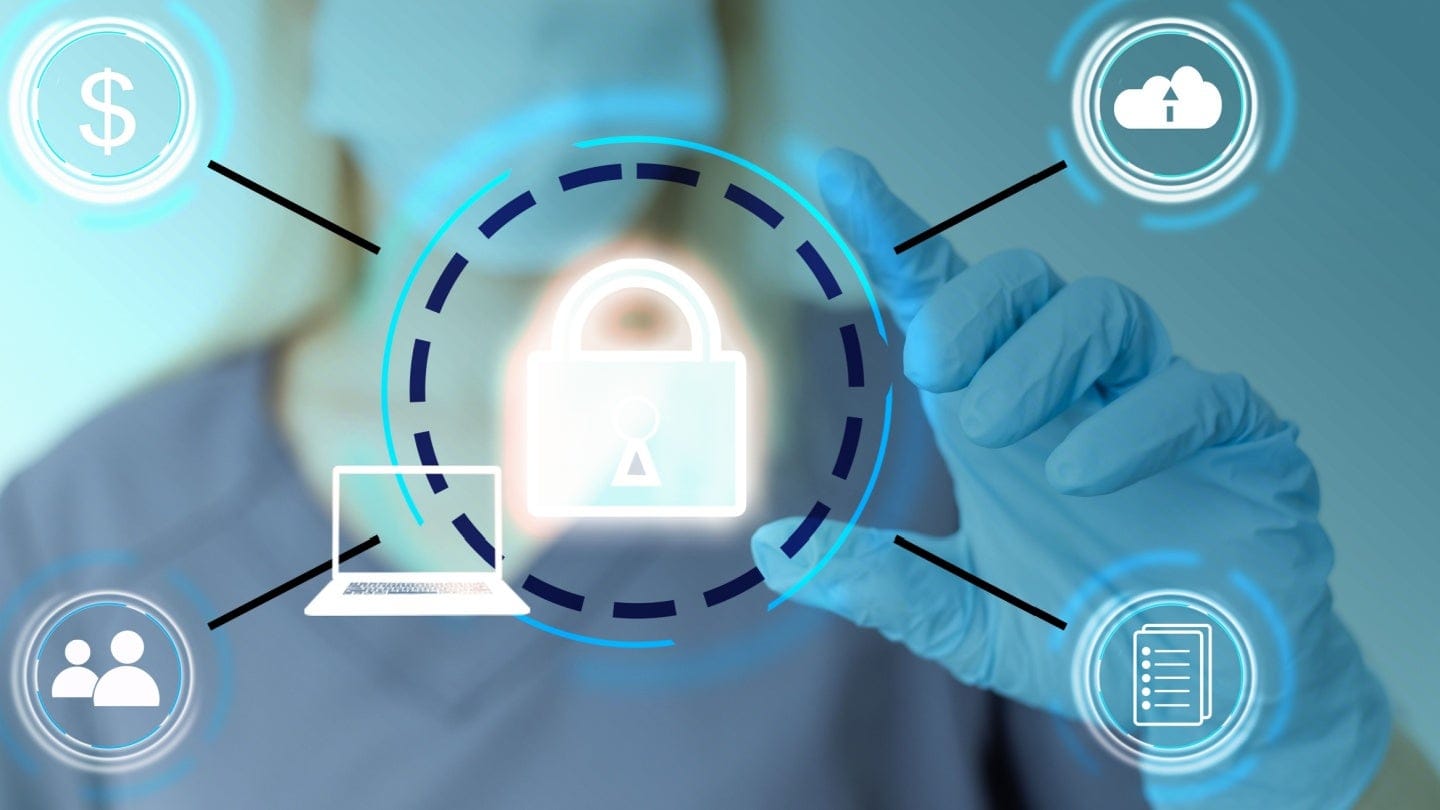
A gloved hand interacts with digital security icons, including a padlock, cloud storage, user profiles, financial symbols, and a laptop, representing data protection and cybersecurity.

Healthcare Cybersecurity Is Failing At The Basics: How To Lock Down Today And Get Ready For The Quantum Tomorrow

Healthcare just had its worst year on record for breached patient data.Not because of ultra sophisticated nation state zero days, but because of the same old weak links: missing multi factor authentication, unpatched Windows boxes, and vendors nobody bothered to vet.At the same time, regulators are tightening the screws and quantum computing is quietly stalking our current encryption. That mix makes a lot of teams freeze. Do you fix today’s fires or prepare for Q day?You do both, but not the way the hype cycle tells you.In this TNT Nerds deep dive, we break down a practical, no nonsense roadmap for clinics, hospitals, and medical device makers: how to get the boring fundamentals right, make sense of the new regulations, and start building a quantum resilient security posture without blowing up your budget or your IT team.
Read More
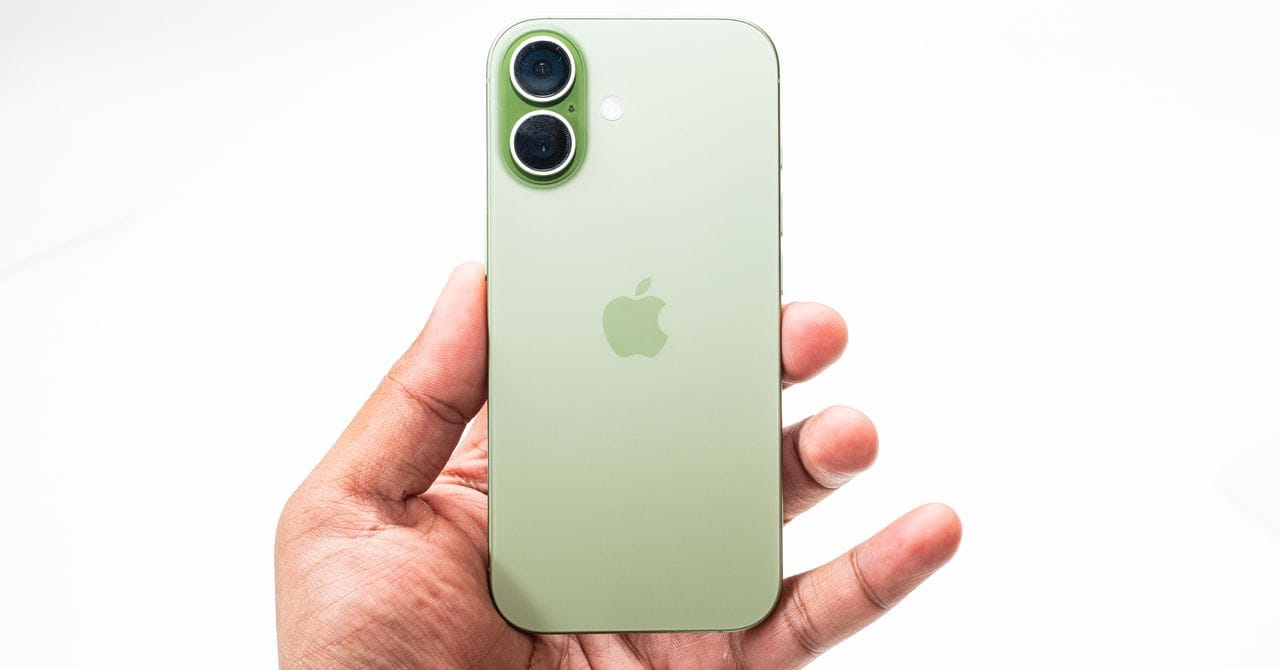
Green smartphone with dual rear cameras held in a person’s hand

Best iPhone To Buy In 2025: Real Talk Guide To Apple Intelligence, MagSafe, And Your Wallet

Apple just dropped another alphabet of iPhones, and the internet is already drowning in spec sheets and sponsored “must buy” lists. Meanwhile, you just want to know one thing: which iPhone should you actually buy in 2025, and which ones are a waste of money?As your resident TNT Nerds tech brain, I am going to break this down the way you would if you had a weekend, a lab full of phones, and zero patience for marketing. We will walk through real life scenarios, not press release fantasy: the creator who lives in the camera app, the small business owner issuing phones to staff, the parent trying not to get locked into a painful carrier contract, the power user who cares more about battery cycles than titanium curves.We will talk Apple Intelligence without the hype, MagSafe and Qi2 without the buzzwords, and carrier deals without the fine print. By the end, you will know exactly which iPhone fits your use case, when it is smarter to buy last year’s Pro, and when the best move is to keep your current phone and just swap a battery.
Read More
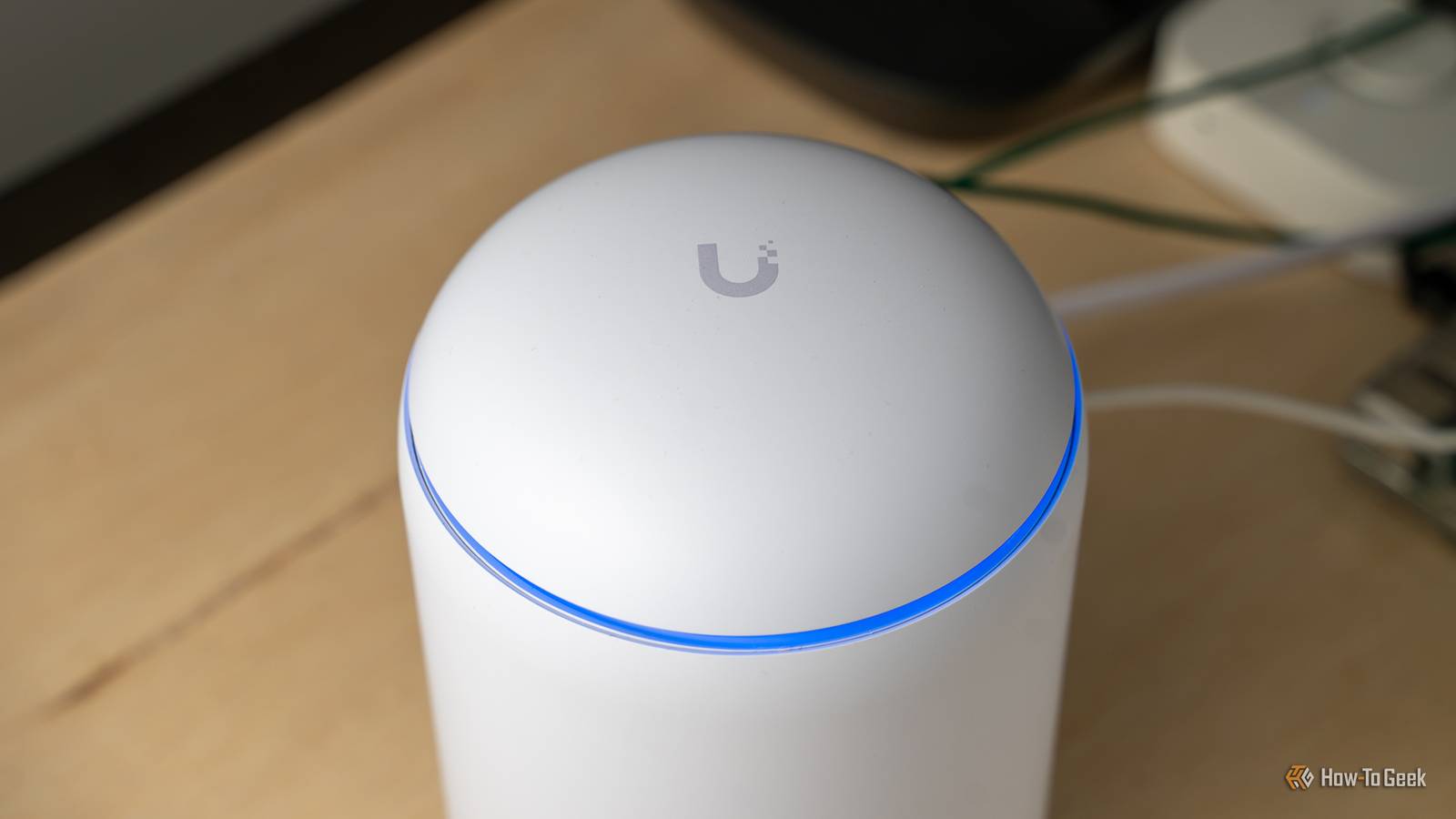
A white cylindrical networking device with a glowing blue LED ring on top, placed on a wooden surface.

From Random Routers To A Real Network Brain: Why Unifi Feels So Good Once You Switch

Most of us live behind whatever plastic router our ISP tossed in the box years ago. It blinks, it mostly works, and when it does not, we simply reboot and pray. Then you try something like Unifi and suddenly your network stops feeling like a mystery and starts behaving like a system. This is the story of what changes when you move from random gear to a unified network brain, why it is so hard to go back, and how you can get there without breaking your budget or your sanity.
Read More