our new website is still under construction, pardon any dust.

our new 4d ai is being implemented, she will blow your socks off.

[cloneui_pill id="ziggi-pill" bot="chatbot-egeoub" lang="en-US" label="Talk to Ziggi"]
Full Article, Podcast, & Blog
Creator voice feature

Hear this article with the Ziggi voice stream

Press play and let Ziggi glide you through the DeepSeek open source shift while you keep scrolling and exploring the rest of the page.

Smart recap version Tuned for background listening
ZN
Voice first edition
DeepSeek open source power shift walkthrough
Play About five min listen
Turn up your sound and watch the synth wave react while Ziggi breaks the story down for you.
Quick note the visualizer moves in real time with the audio so you can feel the beat of the article at a glance.
DeepSeek AI Breakthrough

DeepSeek’s Breakthrough Signals a New Era for Open‑Source AI

How one model reshaped the global AI race — and what it means for innovators and small businesses.

DeepSeek’s R1 model has done more than dominate headlines — it has redefined the global AI narrative. Experts across the industry say this breakthrough isn’t just a win for China; it’s a massive leap forward for the entire open‑source AI ecosystem powering models like Meta’s Llama, Mistral, Databricks’ DBRX, and community‑built solutions worldwide.

R1 claims to rival OpenAI’s o1 while consuming far fewer resources. The market felt the shock immediately: chipmaker stocks dipped, policymakers took notice, and AI labs worldwide hit the reset button on their strategic roadmaps.

Why This Breakthrough Matters

For the first time, open‑source AI isn’t simply keeping pace — it’s challenging and surpassing proprietary models in meaningful ways. Developers, researchers, and businesses now have access to cutting‑edge reasoning models without being locked behind closed commercial APIs.

Meta’s chief AI scientist Yann LeCun summed it up perfectly: “This isn’t about China surpassing the U.S. It’s about open‑source surpassing proprietary.”

What Is Open‑Source AI?

Open‑source AI is built on code that is publicly available for anyone to examine, modify, or improve. It fosters transparency, collaboration, and rapid innovation.

DeepSeek’s R1 was built using open tools like PyTorch and Meta’s Llama, proving that shared knowledge accelerates breakthroughs far faster than isolated closed systems.

A Global Shift Toward Open AI

China’s embrace of open‑source AI is partly strategic, enabling innovation despite U.S. chip restrictions. But the shift is global. Europe is powering forward with OpenEuroLLM, a multinational open‑source AI initiative aimed at creating multilingual, sovereign AI models.

Together, these movements point to a world seeking AI independence, adaptability, and transparency.

But There’s a Catch

Open‑source AI’s openness is both its strength and its vulnerability. Anyone can modify these models — including malicious actors. Risks include:

  • Cyberattacks and malicious repackaged models
  • Algorithmic jailbreaking — Cisco reported a 100% success rate on R1
  • Data leakage, especially since DeepSeek routes processed data to China
  • Supply‑chain attacks and hidden “data poisoning” manipulations

Businesses must balance innovation with strong cybersecurity and responsible data handling.

What This Means for Small Businesses

Open‑source AI is rapidly becoming the most cost‑effective, flexible path for startups and growing teams. It unlocks powerful tools without massive licensing fees or restrictive platform limitations.

Yet the risks — from privacy to compliance — require solid technical guidance to navigate safely.

Where TNT Nerds Comes In

TNT Nerds empowers businesses to safely explore and deploy open‑source AI. Whether you need automation, app upgrades, website modernization, or custom AI‑powered solutions, our community‑driven expertise ensures you innovate with confidence.

From strategy to security, we’re here to guide every step — helping you harness AI without the headaches.

DeepSeek’s breakthrough isn’t just another AI milestone — it’s a global turning point. Open‑source AI is advancing faster, becoming smarter, and reshaping how the world builds technology.

TNT Nerds is here to help you seize this moment.
DeepSeek Just Ignited the Open‑Source AI Revolution — Here’s Why It Matters for Innovators and Small Businesses

DeepSeek’s R1 model didn’t just make headlines — it shook the entire AI industry. By proving that open‑source models can match (and in some cases beat) closed systems like OpenAI’s o1, R1 has sparked a global shift in how advanced AI is built, shared, and deployed. Markets reacted, tech leaders took notice, and suddenly the future of AI looks far more open, collaborative, and cost‑effective. For creators, developers, and small businesses, this turning point unlocks powerful new opportunities — if you know how to navigate the benefits and the risks.
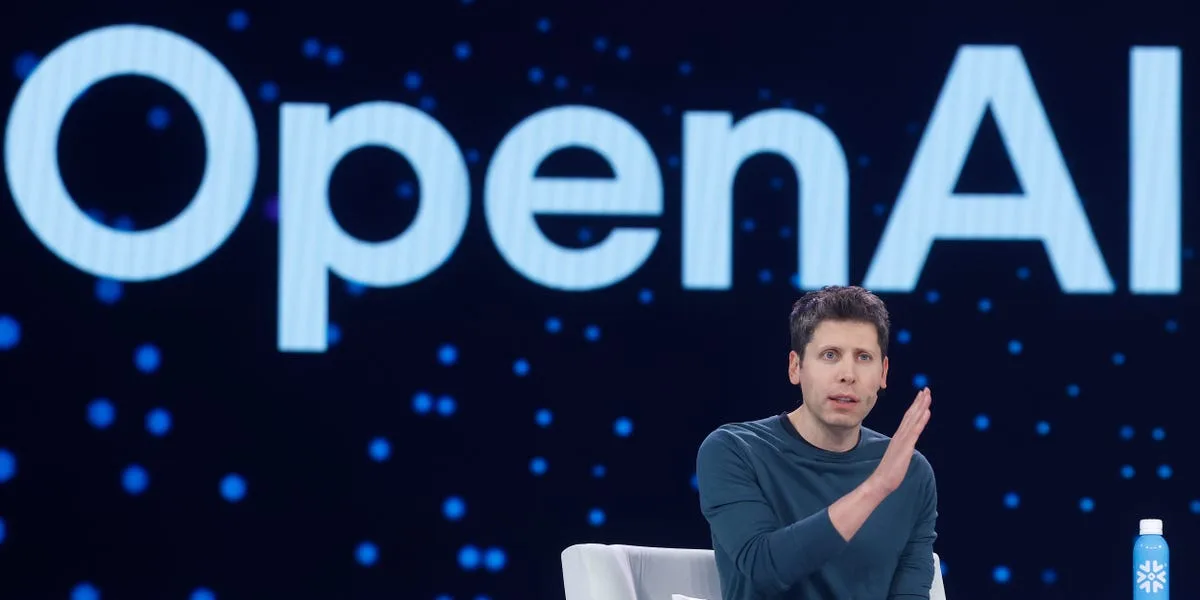
A speaker sitting on stage in front of a large OpenAI logo, gesturing with one hand during a presentation.

OpenAI Wants The Whole AI Stack. What Does That Leave For The Rest Of Us?

OpenAI is racing to own the entire AI stack, from custom chips and data centers all the way up to the apps that live in your browser, your job hunt, and eventually your pocket. To investors, that sounds like a textbook moat. To everyone else, it sounds like the internet we use every day could soon be running on a few private rails.This piece breaks down what OpenAI is really building, why it suddenly needs a mountain of cash to do it, and where that leaves the rest of us who are not sitting on a fusion startup, a chip team, and a SoftBank term sheet. If Big AI is going full stack, how do small businesses, indie developers, and regular humans keep a real say in the future of their own tech?
Read More
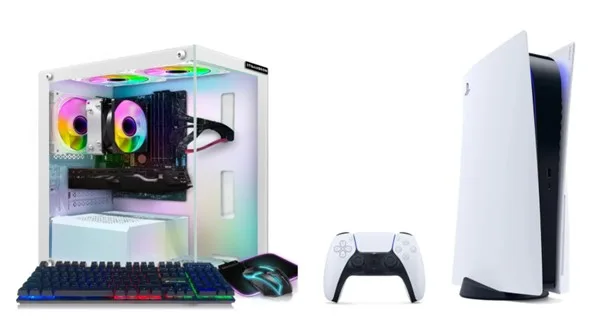
A white RGB gaming PC setup with keyboard and mouse next to a white gaming console and controller.

Stop Wasting Money on Gaming Specs That Do Not Matter: A 2025 Hardware Upgrade Field Guide

Ultra fast SSDs, ray traced shadows, AI upscaling, cloud gaming, quantum buzzwords everywhere. If you believe the marketing, you need all of it right now or you are not a real gamer.That is nonsense.In this TNT Nerds 4D breakdown, we strip the hype off modern gaming hardware and show you what actually changes your experience in 2025, what is safe to skip, and how to build or buy a rig that feels fast, looks great, and does not torch your wallet. Whether you are on console, PC, or a gaming laptop, we will walk through the upgrades that give you real world wins today while still keeping an eye on the free, open, user first future we actually want to live in.
Read More
A gloved hand interacts with digital security icons, including a padlock, cloud storage, user profiles, financial symbols, and a laptop, representing data protection and cybersecurity.

Healthcare Cybersecurity Is Failing At The Basics: How To Lock Down Today And Get Ready For The Quantum Tomorrow

Healthcare just had its worst year on record for breached patient data.Not because of ultra sophisticated nation state zero days, but because of the same old weak links: missing multi factor authentication, unpatched Windows boxes, and vendors nobody bothered to vet.At the same time, regulators are tightening the screws and quantum computing is quietly stalking our current encryption. That mix makes a lot of teams freeze. Do you fix today’s fires or prepare for Q day?You do both, but not the way the hype cycle tells you.In this TNT Nerds deep dive, we break down a practical, no nonsense roadmap for clinics, hospitals, and medical device makers: how to get the boring fundamentals right, make sense of the new regulations, and start building a quantum resilient security posture without blowing up your budget or your IT team.
Read More
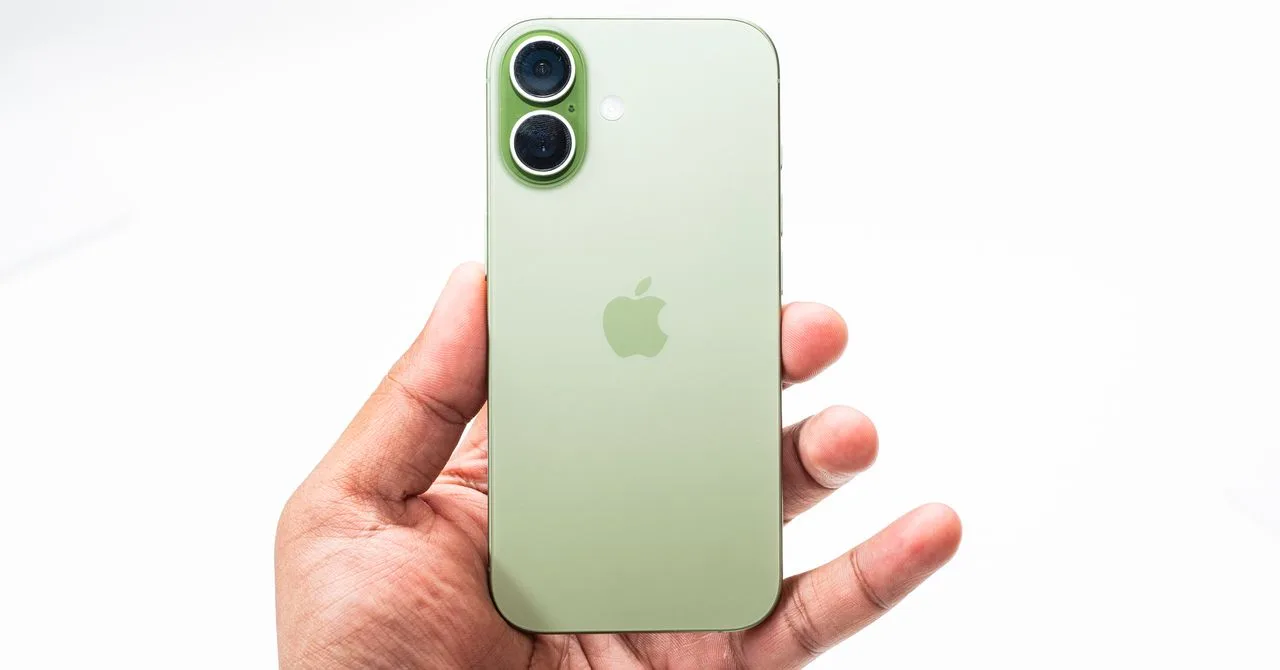
Green smartphone with dual rear cameras held in a person’s hand

Best iPhone To Buy In 2025: Real Talk Guide To Apple Intelligence, MagSafe, And Your Wallet

Apple just dropped another alphabet of iPhones, and the internet is already drowning in spec sheets and sponsored “must buy” lists. Meanwhile, you just want to know one thing: which iPhone should you actually buy in 2025, and which ones are a waste of money?As your resident TNT Nerds tech brain, I am going to break this down the way you would if you had a weekend, a lab full of phones, and zero patience for marketing. We will walk through real life scenarios, not press release fantasy: the creator who lives in the camera app, the small business owner issuing phones to staff, the parent trying not to get locked into a painful carrier contract, the power user who cares more about battery cycles than titanium curves.We will talk Apple Intelligence without the hype, MagSafe and Qi2 without the buzzwords, and carrier deals without the fine print. By the end, you will know exactly which iPhone fits your use case, when it is smarter to buy last year’s Pro, and when the best move is to keep your current phone and just swap a battery.
Read More
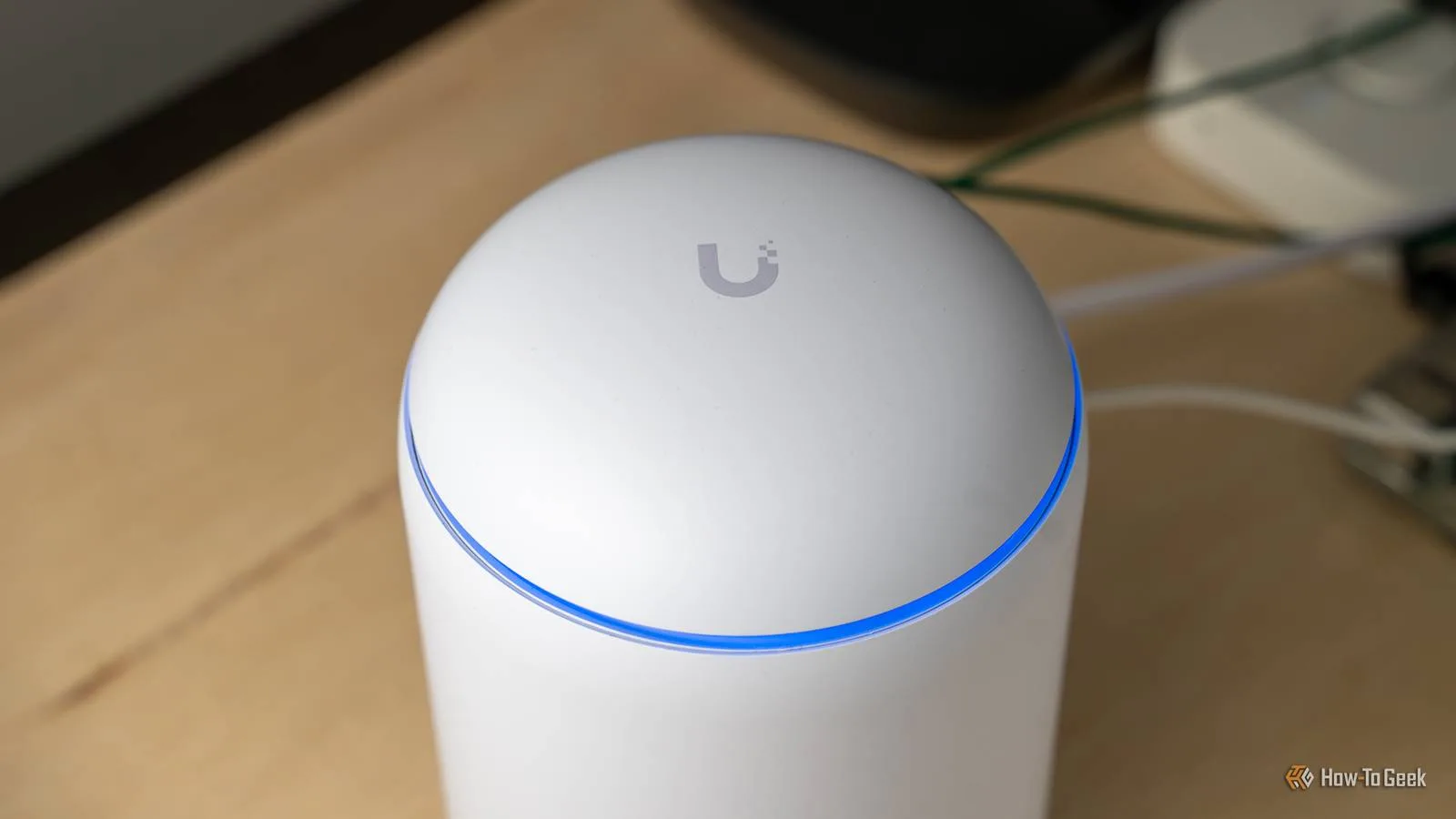
A white cylindrical networking device with a glowing blue LED ring on top, placed on a wooden surface.

From Random Routers To A Real Network Brain: Why Unifi Feels So Good Once You Switch

Most of us live behind whatever plastic router our ISP tossed in the box years ago. It blinks, it mostly works, and when it does not, we simply reboot and pray. Then you try something like Unifi and suddenly your network stops feeling like a mystery and starts behaving like a system. This is the story of what changes when you move from random gear to a unified network brain, why it is so hard to go back, and how you can get there without breaking your budget or your sanity.
Read More