Disney Imagineering Brings Olaf to Life with Groundbreaking Robotics
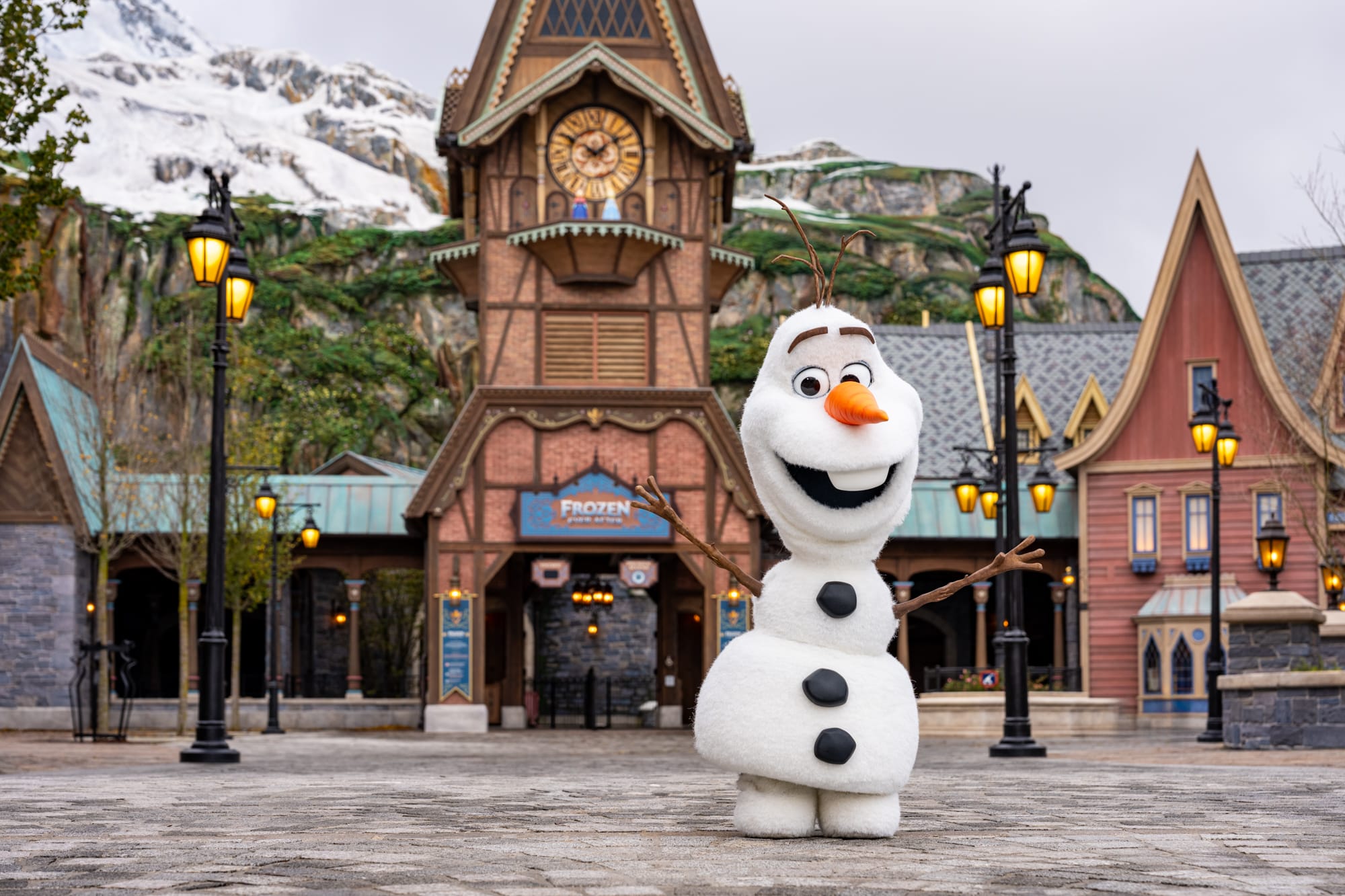
Walt Disney Imagineering has done it again—this time by transforming one of animation’s most beloved characters into a fully expressive, physical, interactive robot. Olaf, from Disney’s Frozen franchise, now exists in the real world thanks to the latest episode of Disney’s behind‑the‑scenes hit series, “We Call It Imagineering.”
The Imagineering Research & Development team—Disney’s innovation powerhouse—reveals how advances in AI, simulation, and mechanical engineering converged to create their newest robotic breakthrough. This isn’t just robotics… it’s character engineering.
From Story to Circuitry: The Disney Philosophy
Kyle Laughlin, SVP of Walt Disney Imagineering R&D, explains that *everything* begins with story. Technology isn’t meant to be showcased—it’s meant to disappear into the background, leaving guests with an emotional experience so magical that the mechanics feel invisible.
What Makes Disney Robotics Special?
Disney blends engineering precision with animation principles to deliver robots that feel genuinely alive. This means hyper‑expressive motion, advanced AI‑driven behaviors, and rapid iteration using cutting‑edge simulation tools.
AI Meets Animation: Learning to Move Like Olaf
The Olaf robot builds on the success of Disney’s BDX droids—small expressive robots known for agility and character. But Olaf presents a far bigger challenge: unlike droids, Olaf isn’t meant to look robotic. He’s round, soft, and full of personality.
To make Olaf move authentically, Imagineers used deep reinforcement learning, allowing him to practice thousands of motions in simulation—essentially becoming a digital athlete—before performing in the real world.
Behind the Scenes: NVIDIA, Google DeepMind & Disney’s Newton Simulator
Disney collaborated with NVIDIA and Google DeepMind to develop Newton, a GPU‑accelerated simulation platform. One major component is Kamino, a high‑performance simulator built to train complex robotic characters.
This system enables Olaf to master walking patterns, gestures, comedic timing, and expressive behavior—all inside a virtual world before ever stepping into the real one.
Bringing the Snowman to Life
Olaf’s physical robot includes articulated eyes, a movable mouth, soft deformable “snow,” and his iconic carrot nose. He can talk, react, and display nuanced emotions—all while hiding the complexity beneath his charming exterior.
Animated characters often move in ways that defy physics, so Disney mixed advanced mechanical design with AI-powered behaviors to preserve Olaf’s whimsical personality without breaking realism.
The Future of Robotic Characters
Olaf joins a new wave of expressive robotic characters like the BDX droids and the self‑balancing H.E.R.B.I.E. units. The speed and fidelity of development have reached unprecedented levels—unlocking richer interactions across Disney parks.
For innovation‑minded companies like TNT Nerds, this breakthrough showcases the rising demand for AI-driven experiences and simulation-powered design. From smart mobile apps to interactive digital tools, small businesses now have access to technologies once exclusive to giants like Disney.
Read the Original Source
Official article from The Walt Disney Company:
https://thewaltdisneycompany.com/olaf-robotic-character/