our new website is still under construction, pardon any dust.

our new 4d ai is being implemented, she will blow your socks off.

[cloneui_pill id="ziggi-pill" bot="chatbot-egeoub" lang="en-US" label="Talk to Ziggi"]
Full Article, Podcast, & Blog

Amazon Leo’s New Ultra Antenna Fires Up the Race for Gigabit Satellite Internet

Amazon’s satellite network—Amazon Leo—just dropped one of the most impressive pieces of hardware in today’s satellite‑internet arena: the Ultra antenna. With download speeds blasting up to **1 Gbps**, this sleek device is redefining what remote connectivity can look like.
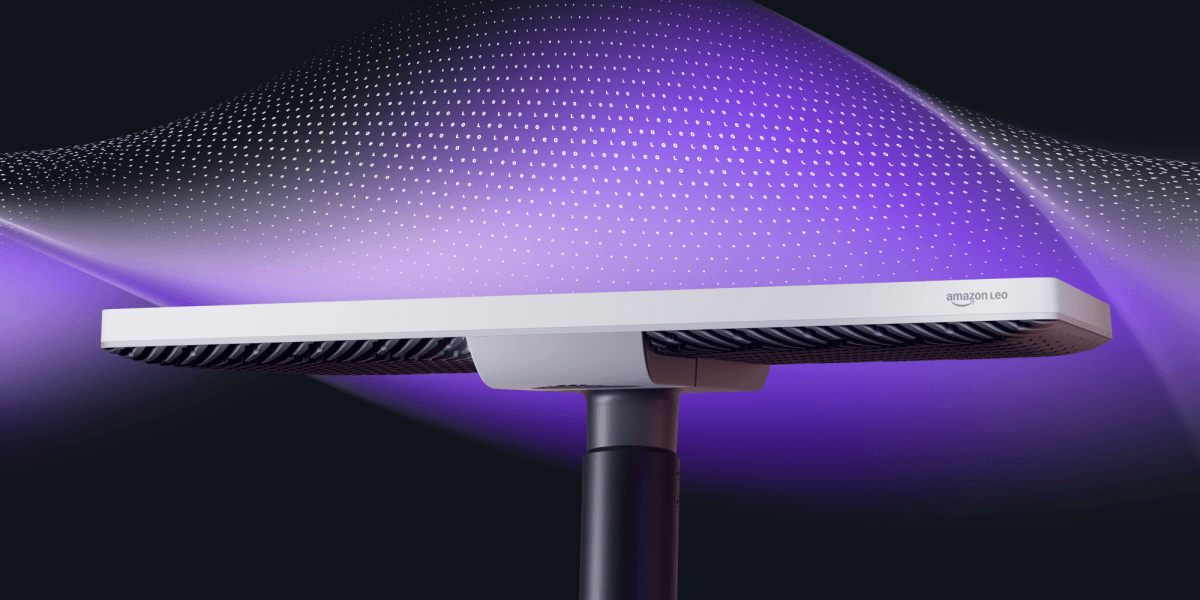
Amazon Leo Ultra Antenna

A Preview Program That Means Business

With 150+ satellites already orbiting and early network tests performing impressively, Amazon Leo is opening its preview program to select enterprise customers. Energy, aviation, transportation, manufacturing—industries that rely on real‑time data and remote communication—now get the chance to test this new system before the massive rollout next year.

Amazon’s official Leo news hub: View the latest updates

Enterprise Power, Packed Into One Sleek Antenna

The newly revealed Leo Ultra antenna delivers up to 1 Gbps down and 400 Mbps up, making it the fastest phased‑array commercial antenna currently in production. Built to survive extreme heat, cold, wind, and debris, this maintenance‑lite design avoids traditional moving parts while housing Amazon‑engineered silicon and groundbreaking RF architecture.

For industries depending on real‑time operations—cloud analytics, remote monitoring, video conferencing, IoT data streams—this is not just an upgrade. It’s a shift in what becomes possible outside traditional broadband environments.

Secure, Private Networking for Critical Operations

Speed is only half the story. Amazon Leo is built with *enterprise‑grade* security, including cutting‑edge encryption, private routing, and advanced network controls. Two standout features make this network especially attractive:

Direct to AWS (D2A): Seamlessly route satellite-connected environments into AWS cloud workloads without touching the public internet.

Private Network Interconnect (PNI): Link remote sites directly into private datacenters and networks, forming a fast, private, satellite‑powered extension of existing infrastructure.

Early Partners Already Onboard

From aviation to agriculture, major players are already integrating Amazon Leo hardware. JetBlue is partnering with Amazon to modernize inflight Wi‑Fi. Companies like Hunt Energy Network and Crane Worldwide Logistics are preparing to deploy Leo Pro and Ultra antennas across their distributed operations.

What This Means for Small Businesses

While the preview is enterprise‑focused, the long‑term potential has huge implications for small businesses. As Amazon Leo matures, high-bandwidth satellite connectivity could become accessible virtually anywhere.

Imagine: connected construction sites, agricultural drones feeding live sensor data, pop‑up retail with reliable cloud access, media teams uploading 4K footage off‑grid—the possibilities expand dramatically as these networks scale.

Where TNT Nerds Fits In

If your business is planning for a more connected, cloud‑driven future, TNT Nerds is here to help. From satellite‑ready infrastructure planning to cloud migrations, custom app development, and IoT deployment strategies, our team helps organizations step confidently into next‑generation digital ecosystems.

Learn more directly from the source: leo.amazon.com/business

Amazon’s New 1‑Gbps ‘Leo Ultra’ Antenna Just Changed the Future of Connectivity

Amazon Leo has officially stepped into the global‑internet spotlight with its new Ultra antenna—an enterprise‑ready powerhouse delivering up to 1 Gbps down and 400 Mbps up. With more than 150 satellites already in orbit, Amazon is opening a selective preview program for industries like aviation, energy, logistics, and manufacturing to test next‑gen connectivity before full rollout. Beyond raw speed, Leo’s private networking features—Direct to AWS and Private Network Interconnect—hint at a future where even small businesses can run cloud‑driven operations from virtually anywhere. For companies planning to modernize their tech stack, TNT Nerds can help translate these breakthroughs into real‑world digital strategy.
A speaker sitting on stage in front of a large OpenAI logo, gesturing with one hand during a presentation.

OpenAI Wants The Whole AI Stack. What Does That Leave For The Rest Of Us?

OpenAI is racing to own the entire AI stack, from custom chips and data centers all the way up to the apps that live in your browser, your job hunt, and eventually your pocket. To investors, that sounds like a textbook moat. To everyone else, it sounds like the internet we use every day could soon be running on a few private rails.This piece breaks down what OpenAI is really building, why it suddenly needs a mountain of cash to do it, and where that leaves the rest of us who are not sitting on a fusion startup, a chip team, and a SoftBank term sheet. If Big AI is going full stack, how do small businesses, indie developers, and regular humans keep a real say in the future of their own tech?
Read More
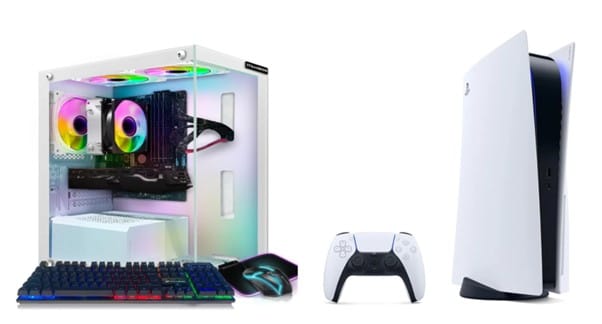
A white RGB gaming PC setup with keyboard and mouse next to a white gaming console and controller.

Stop Wasting Money on Gaming Specs That Do Not Matter: A 2025 Hardware Upgrade Field Guide

Ultra fast SSDs, ray traced shadows, AI upscaling, cloud gaming, quantum buzzwords everywhere. If you believe the marketing, you need all of it right now or you are not a real gamer.That is nonsense.In this TNT Nerds 4D breakdown, we strip the hype off modern gaming hardware and show you what actually changes your experience in 2025, what is safe to skip, and how to build or buy a rig that feels fast, looks great, and does not torch your wallet. Whether you are on console, PC, or a gaming laptop, we will walk through the upgrades that give you real world wins today while still keeping an eye on the free, open, user first future we actually want to live in.
Read More
A gloved hand interacts with digital security icons, including a padlock, cloud storage, user profiles, financial symbols, and a laptop, representing data protection and cybersecurity.

Healthcare Cybersecurity Is Failing At The Basics: How To Lock Down Today And Get Ready For The Quantum Tomorrow

Healthcare just had its worst year on record for breached patient data.Not because of ultra sophisticated nation state zero days, but because of the same old weak links: missing multi factor authentication, unpatched Windows boxes, and vendors nobody bothered to vet.At the same time, regulators are tightening the screws and quantum computing is quietly stalking our current encryption. That mix makes a lot of teams freeze. Do you fix today’s fires or prepare for Q day?You do both, but not the way the hype cycle tells you.In this TNT Nerds deep dive, we break down a practical, no nonsense roadmap for clinics, hospitals, and medical device makers: how to get the boring fundamentals right, make sense of the new regulations, and start building a quantum resilient security posture without blowing up your budget or your IT team.
Read More
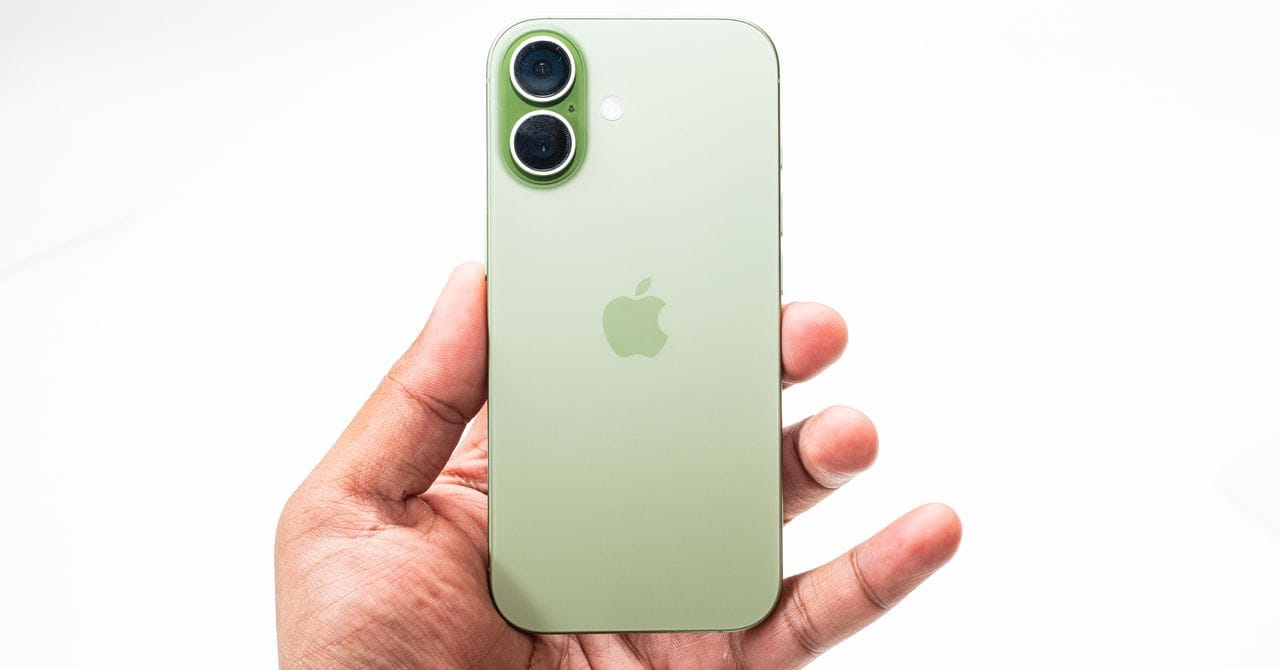
Green smartphone with dual rear cameras held in a person’s hand

Best iPhone To Buy In 2025: Real Talk Guide To Apple Intelligence, MagSafe, And Your Wallet

Apple just dropped another alphabet of iPhones, and the internet is already drowning in spec sheets and sponsored “must buy” lists. Meanwhile, you just want to know one thing: which iPhone should you actually buy in 2025, and which ones are a waste of money?As your resident TNT Nerds tech brain, I am going to break this down the way you would if you had a weekend, a lab full of phones, and zero patience for marketing. We will walk through real life scenarios, not press release fantasy: the creator who lives in the camera app, the small business owner issuing phones to staff, the parent trying not to get locked into a painful carrier contract, the power user who cares more about battery cycles than titanium curves.We will talk Apple Intelligence without the hype, MagSafe and Qi2 without the buzzwords, and carrier deals without the fine print. By the end, you will know exactly which iPhone fits your use case, when it is smarter to buy last year’s Pro, and when the best move is to keep your current phone and just swap a battery.
Read More
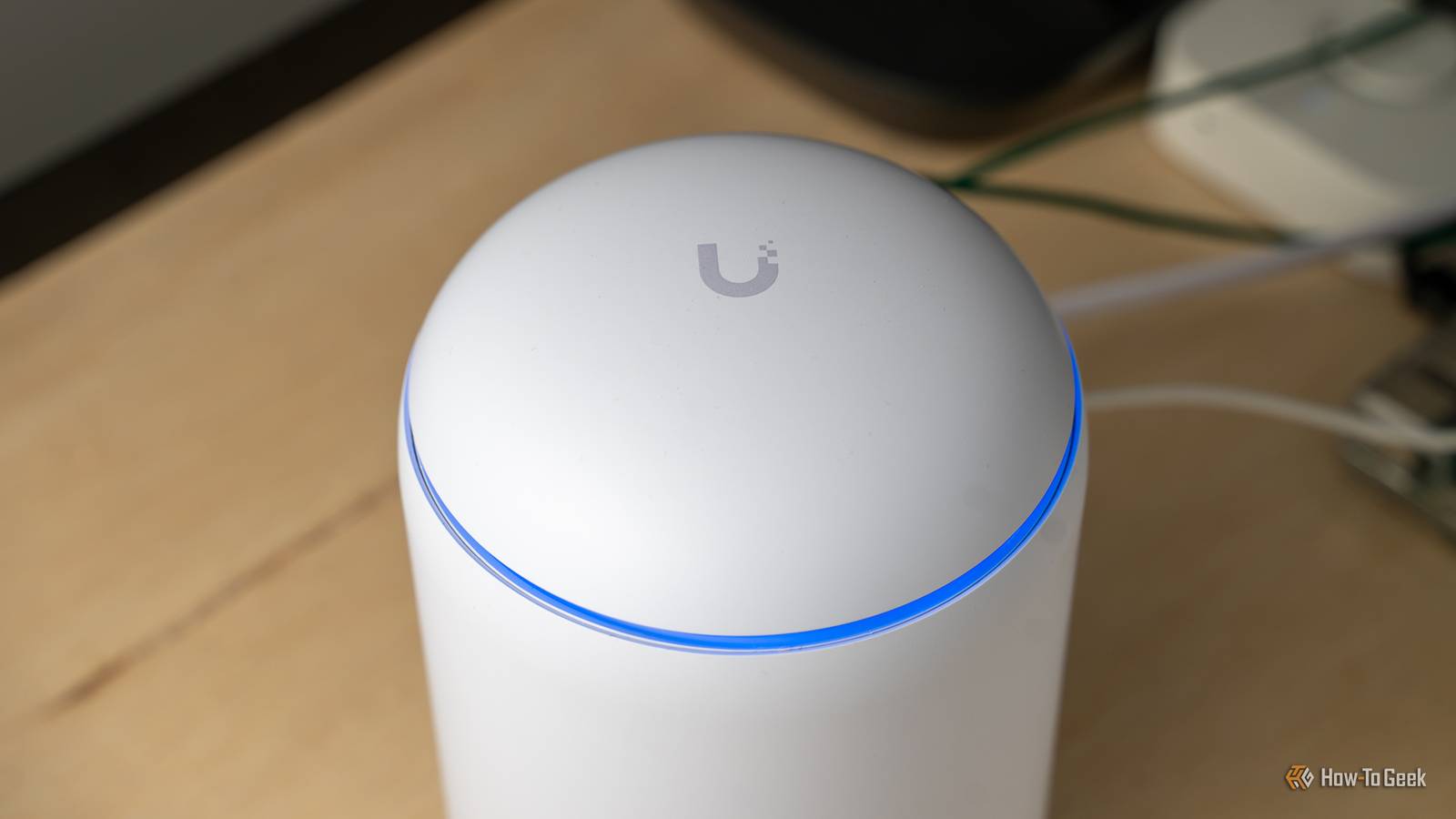
A white cylindrical networking device with a glowing blue LED ring on top, placed on a wooden surface.

From Random Routers To A Real Network Brain: Why Unifi Feels So Good Once You Switch

Most of us live behind whatever plastic router our ISP tossed in the box years ago. It blinks, it mostly works, and when it does not, we simply reboot and pray. Then you try something like Unifi and suddenly your network stops feeling like a mystery and starts behaving like a system. This is the story of what changes when you move from random gear to a unified network brain, why it is so hard to go back, and how you can get there without breaking your budget or your sanity.
Read More