our new website is still under construction, pardon any dust.

our new 4d ai is being implemented, she will blow your socks off.

[cloneui_pill id="ziggi-pill" bot="chatbot-egeoub" lang="en-US" label="Talk to Ziggi"]
Full Article, Podcast, & Blog
Cybersecurity Trends 2025 Illustration

Cybersecurity’s Biggest Surprises of 2025: What This Year Teaches Us About 2026

2025 has been a wild ride in the cybersecurity world. With attackers evolving, AI exploding into mainstream use, and businesses scrambling to keep up, this year revealed more than a few cracks in the digital armor. Before we close out the year, it’s worth taking a look at the standout trends shaping the future of security.

These insights come from industry experts featured in an excellent piece by Security Magazine, which you can read at:

SecurityMagazine.com – 3 Top Cybersecurity Trends from 2025

1. AI Adoption Exploded — And So Did the Risks

Insights from Dana Simberkoff, Chief Risk, Privacy and Information Security Officer at AvePoint

2025 may be remembered as the year AI officially became part of the enterprise bloodstream. Organizations rushed to deploy AI tools and agent‑based systems — but many skipped vital security steps along the way.

AvePoint’s 2025 study found that more than 75% of organizations experienced AI-related security breaches. Even more surprising: over 90% claimed to have strong information management programs, but fewer than 31% actually implemented effective data classification.

The takeaway is clear: AI adoption outpaced AI preparedness. Companies rolled out powerful tools but didn’t reinforce their data governance foundation — leading to preventable breaches, workflow issues, and risky agent behavior.

For 2026, organizations are expected to invest more in automated data governance and proactive monitoring to keep AI systems aligned and controlled. If your business is beginning to explore or scale AI, TNT Nerds can help you deploy these systems safely, securely, and efficiently.

2. Ransomware Didn’t Break Businesses — It Exposed Them

Insights from Jeff Liford, Associate Director at Fenix24

If 2025 taught us anything, it’s that ransomware isn’t the true villain — it’s the spotlight. A glaring, unforgiving spotlight that reveals weak architectures, misconfigurations, technical debt, and assumptions that should’ve been addressed years ago.

Liford explains that attacks frequently escalated from a single foothold to a full compromise in under 72 hours — something that should be impossible in a properly segmented, well‑architected environment.

Some of the most common vulnerabilities included:

  • Firewall admin panels exposed to the internet
  • Lack of MFA and weak password hygiene
  • VPNs allowing unmanaged devices
  • Flat networks with unrestricted trust paths
  • Critical CVEs left unpatched for months
  • Shadow IT draining visibility and control
  • Backups that were unmonitored, untested, or easily compromised

These aren’t elite hacker victories — they’re fundamental IT failures. And with AI‑assisted attacks accelerating rapidly, environments that struggle with basic hygiene will be hit hardest in 2026.

For small and mid‑sized businesses, partnering with a team that can modernize the core — not just deploy tools — is essential. TNT Nerds regularly helps organizations rebuild their foundations: segmentation, identity design, backup hardening, and secure architecture planning.

3. Secure Development Still Has a Long Road Ahead

Insights from Dipto Chakravarty, Chief Product Officer at Black Duck

Despite growing awareness and better tools, secure development remained one of the hardest challenges of 2025. AI made both offense and defense more sophisticated, and supply chain attacks continued to haunt software ecosystems.

Organizations struggled with lifecycle security for AI systems, defending models from data poisoning, and addressing prompt injection — issues unheard of just a few years ago.

Developers also faced increasing pressure from regulatory requirements across regions. Keeping up while building securely has become a genuine balancing act.

For businesses creating web platforms, internal software, or new AI‑driven tools, secure development practices are no longer optional. TNT Nerds builds all applications — websites, custom apps, automations, and AI‑integrated systems — with modern secure coding principles from day one.

Looking Back — and Looking Ahead

2025 forced organizations to confront uncomfortable truths: misconfigurations catch up, AI can be dangerous without guardrails, and development teams can’t keep using outdated approaches in a world of evolving threats.

The real question is: what are we going to fix before 2026 arrives?

If your business needs help strengthening cybersecurity, securing your software, modernizing infrastructure, or navigating AI safely, TNT Nerds is here to support you every step of the way.

For the original expert breakdown, check out the full article at Security Magazine:

3 Top Cybersecurity Trends from 2025

Cybersecurity 2025 Was a Wake‑Up Call — Here’s What Businesses Must Fix Before 2026 Hits

2025 delivered some of the most eye‑opening shifts in cybersecurity we’ve seen in years. AI surged into everyday business workflows — and so did AI‑related breaches. Ransomware continued to expose long‑ignored IT weaknesses. And development teams struggled to secure modern, AI‑infused systems under rising regulatory pressure. Based on expert insights highlighted by Security Magazine, this breakdown shows why companies can’t afford “good enough” security going into 2026 — and how smart foundations, modern architectures, and secure‑by‑design development (with help from teams like TNT Nerds) will define who stays safe next year.
A speaker sitting on stage in front of a large OpenAI logo, gesturing with one hand during a presentation.

OpenAI Wants The Whole AI Stack. What Does That Leave For The Rest Of Us?

OpenAI is racing to own the entire AI stack, from custom chips and data centers all the way up to the apps that live in your browser, your job hunt, and eventually your pocket. To investors, that sounds like a textbook moat. To everyone else, it sounds like the internet we use every day could soon be running on a few private rails.This piece breaks down what OpenAI is really building, why it suddenly needs a mountain of cash to do it, and where that leaves the rest of us who are not sitting on a fusion startup, a chip team, and a SoftBank term sheet. If Big AI is going full stack, how do small businesses, indie developers, and regular humans keep a real say in the future of their own tech?
Read More
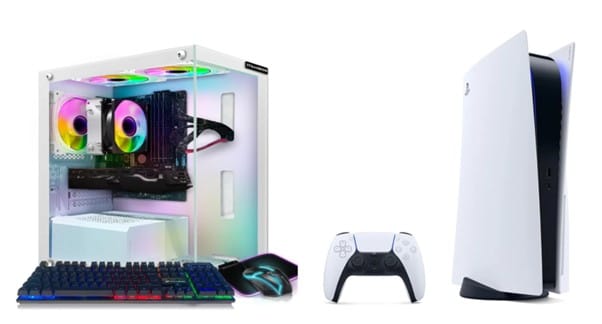
A white RGB gaming PC setup with keyboard and mouse next to a white gaming console and controller.

Stop Wasting Money on Gaming Specs That Do Not Matter: A 2025 Hardware Upgrade Field Guide

Ultra fast SSDs, ray traced shadows, AI upscaling, cloud gaming, quantum buzzwords everywhere. If you believe the marketing, you need all of it right now or you are not a real gamer.That is nonsense.In this TNT Nerds 4D breakdown, we strip the hype off modern gaming hardware and show you what actually changes your experience in 2025, what is safe to skip, and how to build or buy a rig that feels fast, looks great, and does not torch your wallet. Whether you are on console, PC, or a gaming laptop, we will walk through the upgrades that give you real world wins today while still keeping an eye on the free, open, user first future we actually want to live in.
Read More
A gloved hand interacts with digital security icons, including a padlock, cloud storage, user profiles, financial symbols, and a laptop, representing data protection and cybersecurity.

Healthcare Cybersecurity Is Failing At The Basics: How To Lock Down Today And Get Ready For The Quantum Tomorrow

Healthcare just had its worst year on record for breached patient data.Not because of ultra sophisticated nation state zero days, but because of the same old weak links: missing multi factor authentication, unpatched Windows boxes, and vendors nobody bothered to vet.At the same time, regulators are tightening the screws and quantum computing is quietly stalking our current encryption. That mix makes a lot of teams freeze. Do you fix today’s fires or prepare for Q day?You do both, but not the way the hype cycle tells you.In this TNT Nerds deep dive, we break down a practical, no nonsense roadmap for clinics, hospitals, and medical device makers: how to get the boring fundamentals right, make sense of the new regulations, and start building a quantum resilient security posture without blowing up your budget or your IT team.
Read More
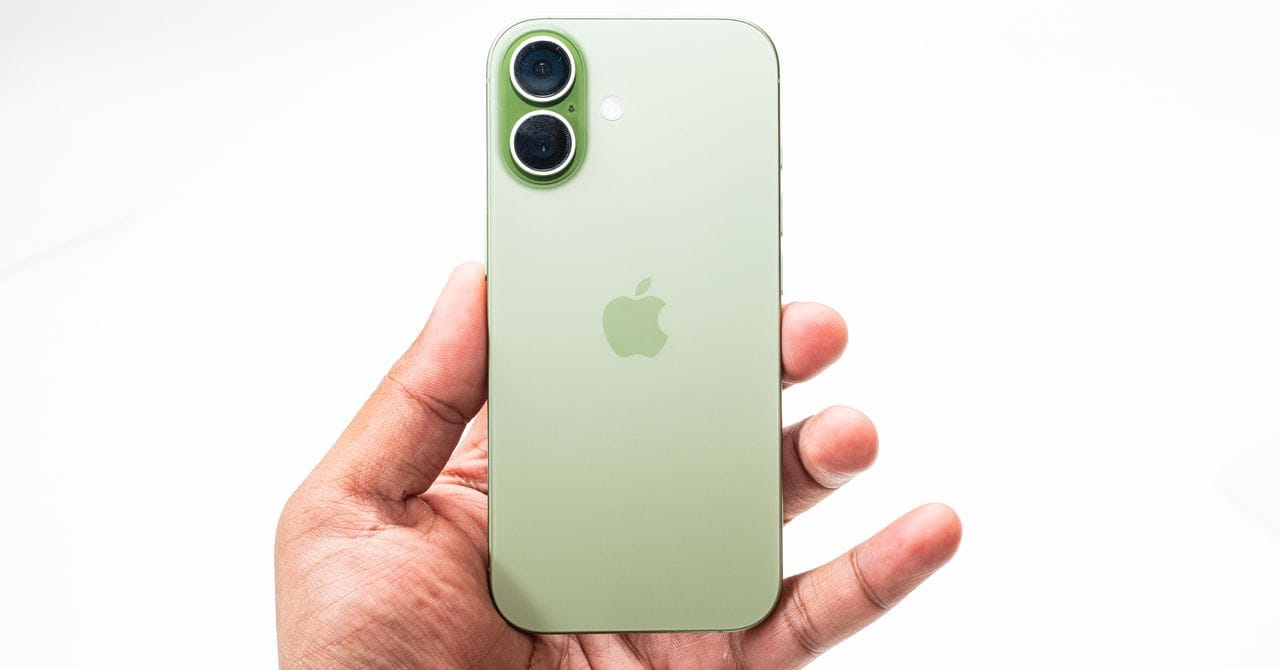
Green smartphone with dual rear cameras held in a person’s hand

Best iPhone To Buy In 2025: Real Talk Guide To Apple Intelligence, MagSafe, And Your Wallet

Apple just dropped another alphabet of iPhones, and the internet is already drowning in spec sheets and sponsored “must buy” lists. Meanwhile, you just want to know one thing: which iPhone should you actually buy in 2025, and which ones are a waste of money?As your resident TNT Nerds tech brain, I am going to break this down the way you would if you had a weekend, a lab full of phones, and zero patience for marketing. We will walk through real life scenarios, not press release fantasy: the creator who lives in the camera app, the small business owner issuing phones to staff, the parent trying not to get locked into a painful carrier contract, the power user who cares more about battery cycles than titanium curves.We will talk Apple Intelligence without the hype, MagSafe and Qi2 without the buzzwords, and carrier deals without the fine print. By the end, you will know exactly which iPhone fits your use case, when it is smarter to buy last year’s Pro, and when the best move is to keep your current phone and just swap a battery.
Read More
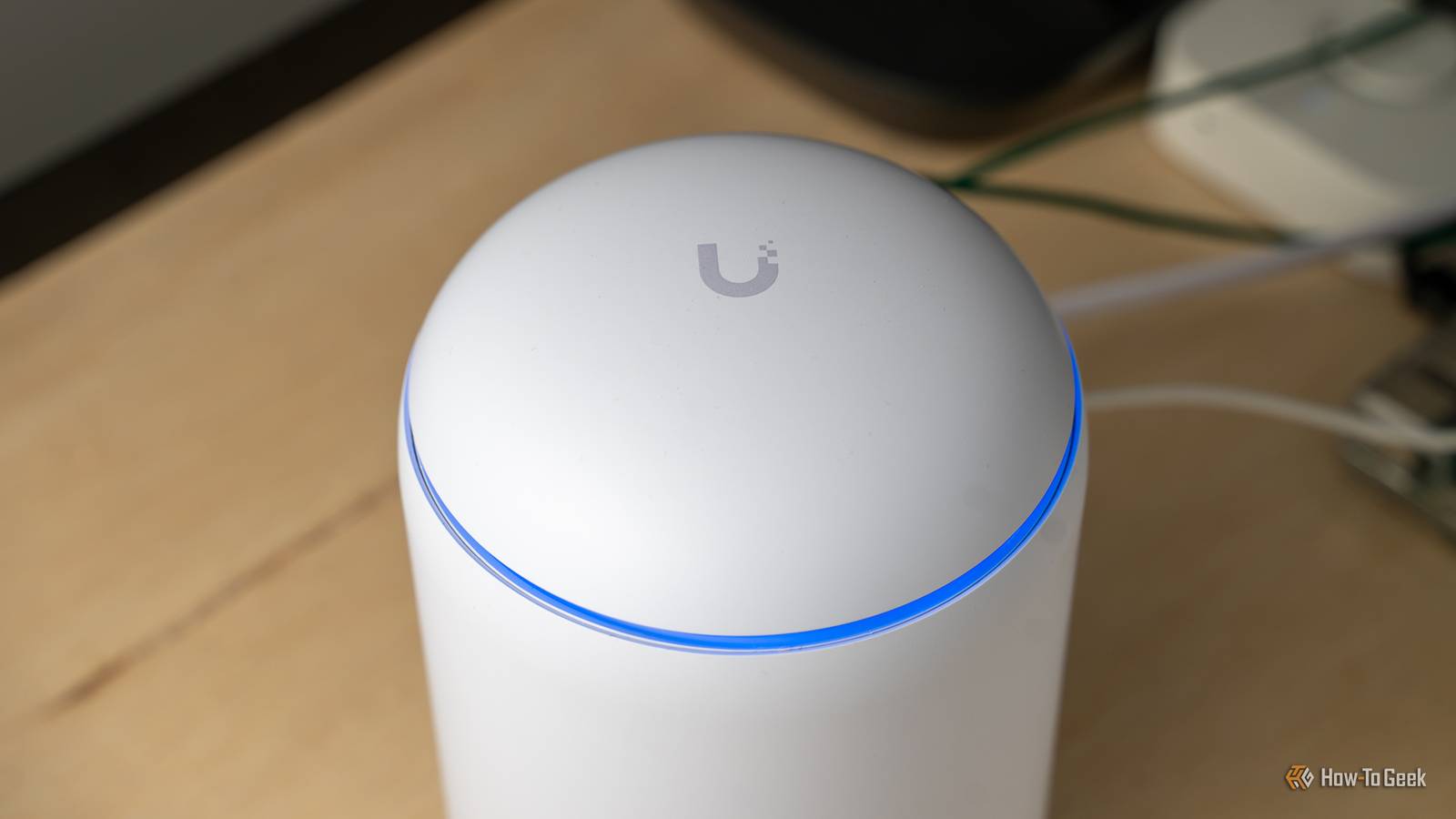
A white cylindrical networking device with a glowing blue LED ring on top, placed on a wooden surface.

From Random Routers To A Real Network Brain: Why Unifi Feels So Good Once You Switch

Most of us live behind whatever plastic router our ISP tossed in the box years ago. It blinks, it mostly works, and when it does not, we simply reboot and pray. Then you try something like Unifi and suddenly your network stops feeling like a mystery and starts behaving like a system. This is the story of what changes when you move from random gear to a unified network brain, why it is so hard to go back, and how you can get there without breaking your budget or your sanity.
Read More