our new website is still under construction, pardon any dust.

our new 4d ai is being implemented, she will blow your socks off.

[cloneui_pill id="ziggi-pill" bot="chatbot-egeoub" lang="en-US" label="Talk to Ziggi"]
Full Article, Podcast, & Blog

The Fintech Dream Team: The Roles Powering 2025’s Most Successful Apps

Fintech development team working in modern office

If you’ve ever opened a financial app and thought, “Wow, this feels smooth,” you can thank the army of specialists working behind the scenes. As we move deeper into 2025, fintech apps aren’t merely digital accessories — they’ve evolved into financial lifelines for millions and essential tools for businesses navigating a fast‑moving digital economy.

And according to insights from the original source at Netguru, the success of a fintech product depends on assembling a strategic balance of technology, creativity, compliance, and user‑focused engineering.

Why Your Fintech Team Matters More Than Ever

The fintech world now moves at the rare intersection of regulation, innovation, and user expectations — meaning it’s fast, complex, and unforgiving. A carefully structured development team ensures products are secure, scalable, compliant, and delightfully user‑friendly.

For businesses looking to break into the fintech space, the right team is no longer optional — it’s the core competitive advantage.

Meet the Key Players of a High‑Performing Fintech App Team

Product Manager

The strategic visionary. They convert user insights and market needs into a clear roadmap. Without a strong Product Manager, teams drift — with one, they innovate.

Scrum Master

The guardian of Agile. They remove blockers, improve communication, and help teams adapt to rapid regulatory shifts.

Business Analyst

The translator between business goals and technical execution — ensuring every feature aligns with compliance and real‑world demands.

Development Roles That Build the Core

Frontend Developers

These specialists turn ideas into polished, intuitive experiences. In fintech, where trust is visual, frontend work is vital.

Backend Developers

They engineer the “invisible machinery” behind transactions, security layers, and server logic — keeping everything reliable and safe.

Mobile App Developers

With the world banking on their phones, mobile developers ensure apps run flawlessly across both Android and iOS.

Design & Experience Roles

UI/UX Designers

The architects of user trust. Their job is to ensure every screen feels simple, secure, and intuitive.

Graphic Designers

They bring visual consistency, clarity, and personality — ensuring fintech products look as premium as they feel.

Quality, Security & Stability Roles

QA Engineers

The bug hunters who ensure your app behaves perfectly across every device, load, and scenario.

Security Analysts

The guardians of user data. Their mission: prevent breaches, enforce compliance, and keep systems airtight.

Supporting Roles That Keep Everything Running

DevOps Engineers

These automation and infrastructure wizards ensure apps deploy smoothly, scale intelligently, and stay fast — even during peak demand.

Technical Support Specialists

The humans who help your users feel confident, informed, and supported when they need it most.

Where TNT Nerds Fits Into All This

At TNT Nerds, we help companies build complete fintech ecosystems — from concept to architecture to deployment. Whether you need developers, UI/UX masters, security‑first engineers, or cloud specialists, our lineup mirrors the exact roles highlighted above.

Small businesses and startups gain something invaluable: a full fintech‑ready team without needing to hire a dozen experts internally.

Building a Strong Fintech Team in 2025

High‑performing teams rely on clarity, communication, and continuous learning. When everyone shares vision and standards, innovation becomes natural.

Best Practices for Managing a Fintech Dev Team

• Define a clear mission • Hire for skill and culture • Promote transparent communication • Implement Agile practices • Encourage constant learning • Make room for innovation

Interactive FAQ

Why is a well‑structured team essential?
A strong team reduces errors, improves innovation, and ensures apps remain secure, compliant, and user‑driven.
Which roles matter most?
Product Managers, Developers, UI/UX Designers, QA Engineers, and Security Analysts make up the core of any fintech powerhouse.
How does Agile help?
Agile keeps teams flexible, focused, and able to pivot quickly when regulations or market trends shift.

Final Thoughts

Fintech success in 2025 isn’t about luck — it’s about people. Build the right team with the right culture, and innovation becomes inevitable.

And if you’re ready to create or upgrade your fintech experience, TNT Nerds is ready to help you build the future of your digital financial ecosystem.

The Fintech Power Squad: Inside the Teams Building 2025’s Smoothest, Smartest Financial Apps

Fintech apps are no longer just tools — they’re lifelines for millions of users and essential engines for modern businesses. But behind every seamless transaction and polished dashboard is a powerhouse team blending engineering, design, compliance, and security. Our deep dive, inspired by insights from Netguru, breaks down the key roles driving today’s most successful fintech products — and shows how smart small businesses are leveraging partners like TNT Nerds to access world‑class development talent without building a massive in‑house team. Perfect reading for your morning coffee if you want to understand what really powers the financial apps of 2025.
A speaker sitting on stage in front of a large OpenAI logo, gesturing with one hand during a presentation.

OpenAI Wants The Whole AI Stack. What Does That Leave For The Rest Of Us?

OpenAI is racing to own the entire AI stack, from custom chips and data centers all the way up to the apps that live in your browser, your job hunt, and eventually your pocket. To investors, that sounds like a textbook moat. To everyone else, it sounds like the internet we use every day could soon be running on a few private rails.This piece breaks down what OpenAI is really building, why it suddenly needs a mountain of cash to do it, and where that leaves the rest of us who are not sitting on a fusion startup, a chip team, and a SoftBank term sheet. If Big AI is going full stack, how do small businesses, indie developers, and regular humans keep a real say in the future of their own tech?
Read More
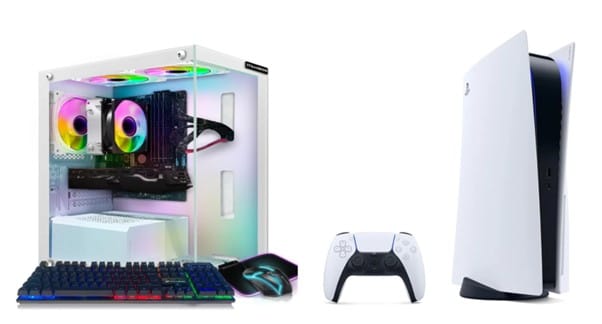
A white RGB gaming PC setup with keyboard and mouse next to a white gaming console and controller.

Stop Wasting Money on Gaming Specs That Do Not Matter: A 2025 Hardware Upgrade Field Guide

Ultra fast SSDs, ray traced shadows, AI upscaling, cloud gaming, quantum buzzwords everywhere. If you believe the marketing, you need all of it right now or you are not a real gamer.That is nonsense.In this TNT Nerds 4D breakdown, we strip the hype off modern gaming hardware and show you what actually changes your experience in 2025, what is safe to skip, and how to build or buy a rig that feels fast, looks great, and does not torch your wallet. Whether you are on console, PC, or a gaming laptop, we will walk through the upgrades that give you real world wins today while still keeping an eye on the free, open, user first future we actually want to live in.
Read More
A gloved hand interacts with digital security icons, including a padlock, cloud storage, user profiles, financial symbols, and a laptop, representing data protection and cybersecurity.

Healthcare Cybersecurity Is Failing At The Basics: How To Lock Down Today And Get Ready For The Quantum Tomorrow

Healthcare just had its worst year on record for breached patient data.Not because of ultra sophisticated nation state zero days, but because of the same old weak links: missing multi factor authentication, unpatched Windows boxes, and vendors nobody bothered to vet.At the same time, regulators are tightening the screws and quantum computing is quietly stalking our current encryption. That mix makes a lot of teams freeze. Do you fix today’s fires or prepare for Q day?You do both, but not the way the hype cycle tells you.In this TNT Nerds deep dive, we break down a practical, no nonsense roadmap for clinics, hospitals, and medical device makers: how to get the boring fundamentals right, make sense of the new regulations, and start building a quantum resilient security posture without blowing up your budget or your IT team.
Read More
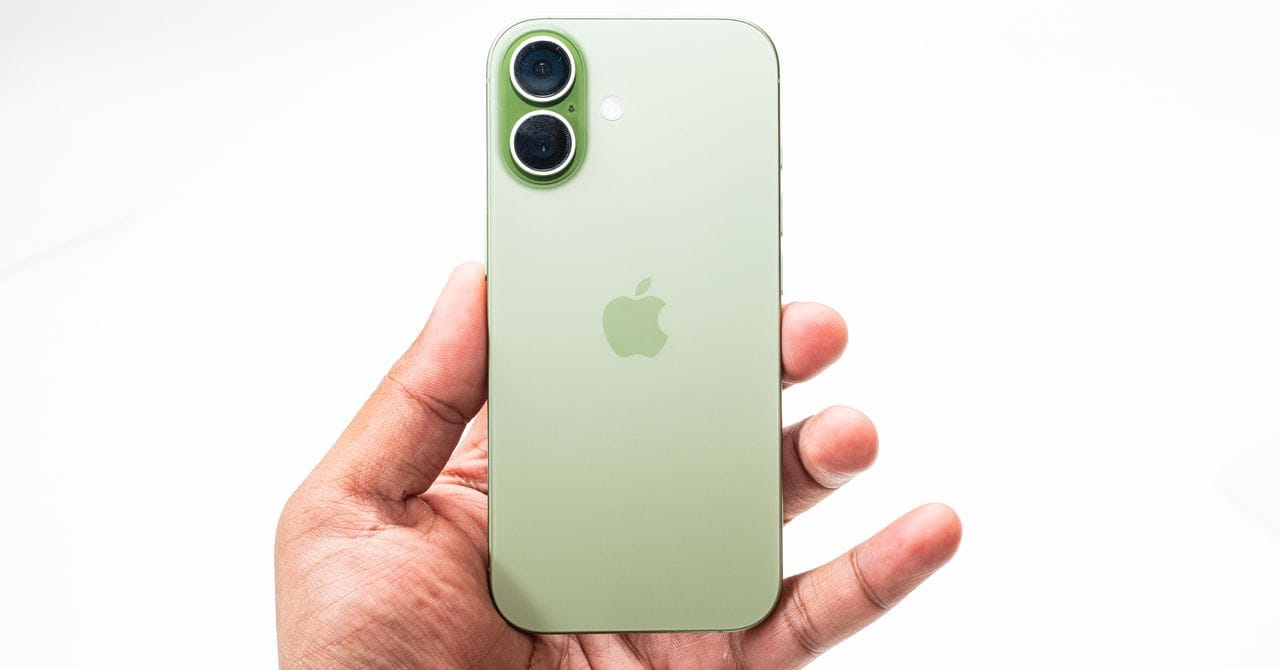
Green smartphone with dual rear cameras held in a person’s hand

Best iPhone To Buy In 2025: Real Talk Guide To Apple Intelligence, MagSafe, And Your Wallet

Apple just dropped another alphabet of iPhones, and the internet is already drowning in spec sheets and sponsored “must buy” lists. Meanwhile, you just want to know one thing: which iPhone should you actually buy in 2025, and which ones are a waste of money?As your resident TNT Nerds tech brain, I am going to break this down the way you would if you had a weekend, a lab full of phones, and zero patience for marketing. We will walk through real life scenarios, not press release fantasy: the creator who lives in the camera app, the small business owner issuing phones to staff, the parent trying not to get locked into a painful carrier contract, the power user who cares more about battery cycles than titanium curves.We will talk Apple Intelligence without the hype, MagSafe and Qi2 without the buzzwords, and carrier deals without the fine print. By the end, you will know exactly which iPhone fits your use case, when it is smarter to buy last year’s Pro, and when the best move is to keep your current phone and just swap a battery.
Read More
A white cylindrical networking device with a glowing blue LED ring on top, placed on a wooden surface.

From Random Routers To A Real Network Brain: Why Unifi Feels So Good Once You Switch

Most of us live behind whatever plastic router our ISP tossed in the box years ago. It blinks, it mostly works, and when it does not, we simply reboot and pray. Then you try something like Unifi and suddenly your network stops feeling like a mystery and starts behaving like a system. This is the story of what changes when you move from random gear to a unified network brain, why it is so hard to go back, and how you can get there without breaking your budget or your sanity.
Read More